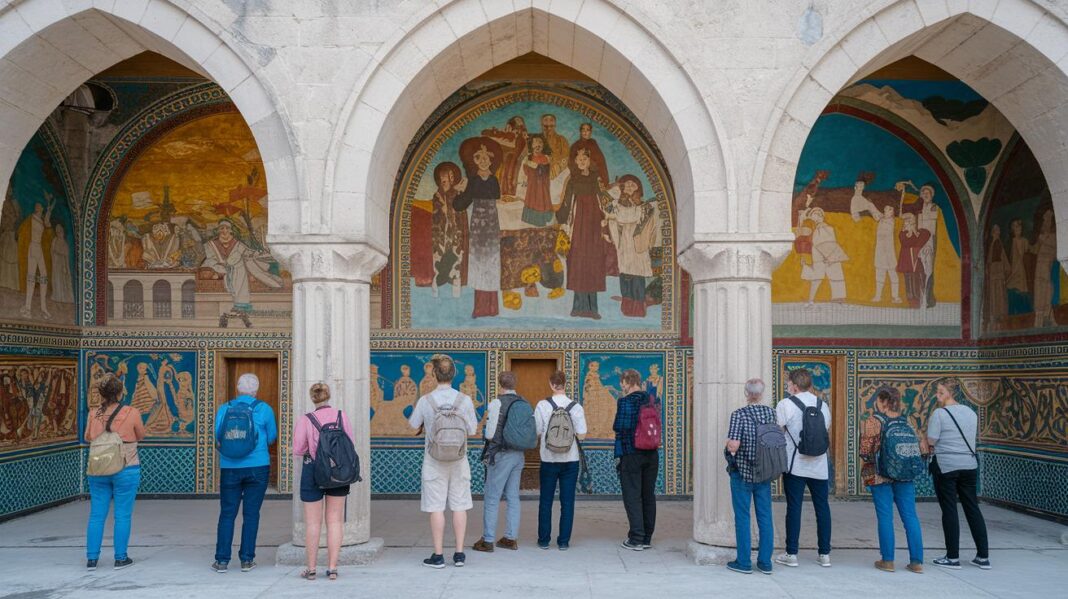
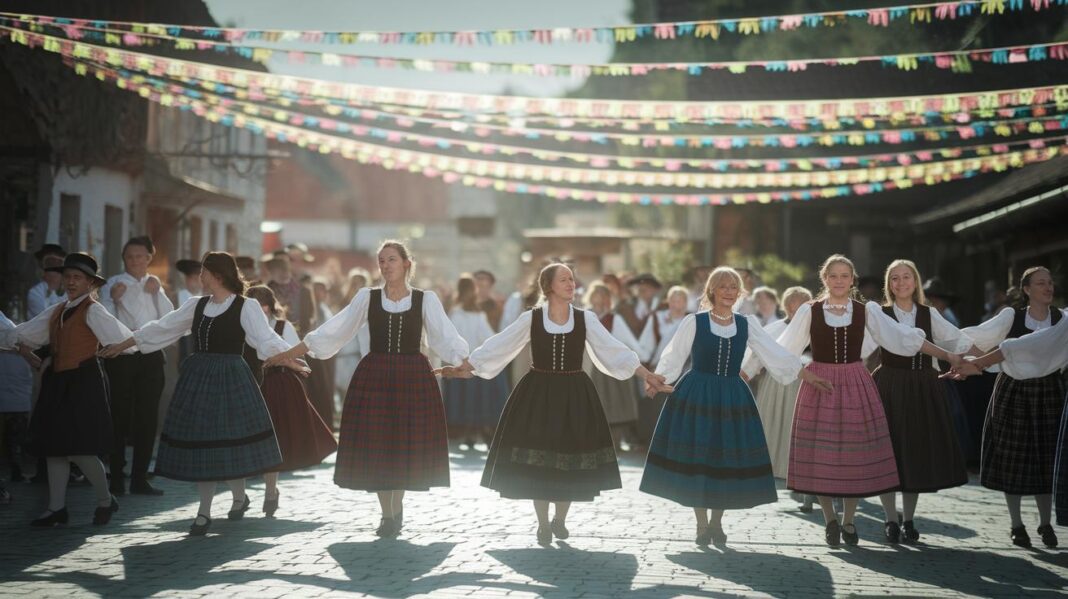
Ever wonder if our past stories secretly unlock the future? Every weathered building and cherished tradition tells a story of those who walked this path before us.
In this journey, we explore how timeless structures and lively local festivals bring communities together across eras. Each tradition, like a familiar whisper from long ago, connects us in unexpected ways.
It’s a reminder that history isn’t simply a list of events, it’s a vibrant tapestry woven into the fabric of our everyday lives.
Defining Cultural Heritage: Tangible & Intangible Aspects
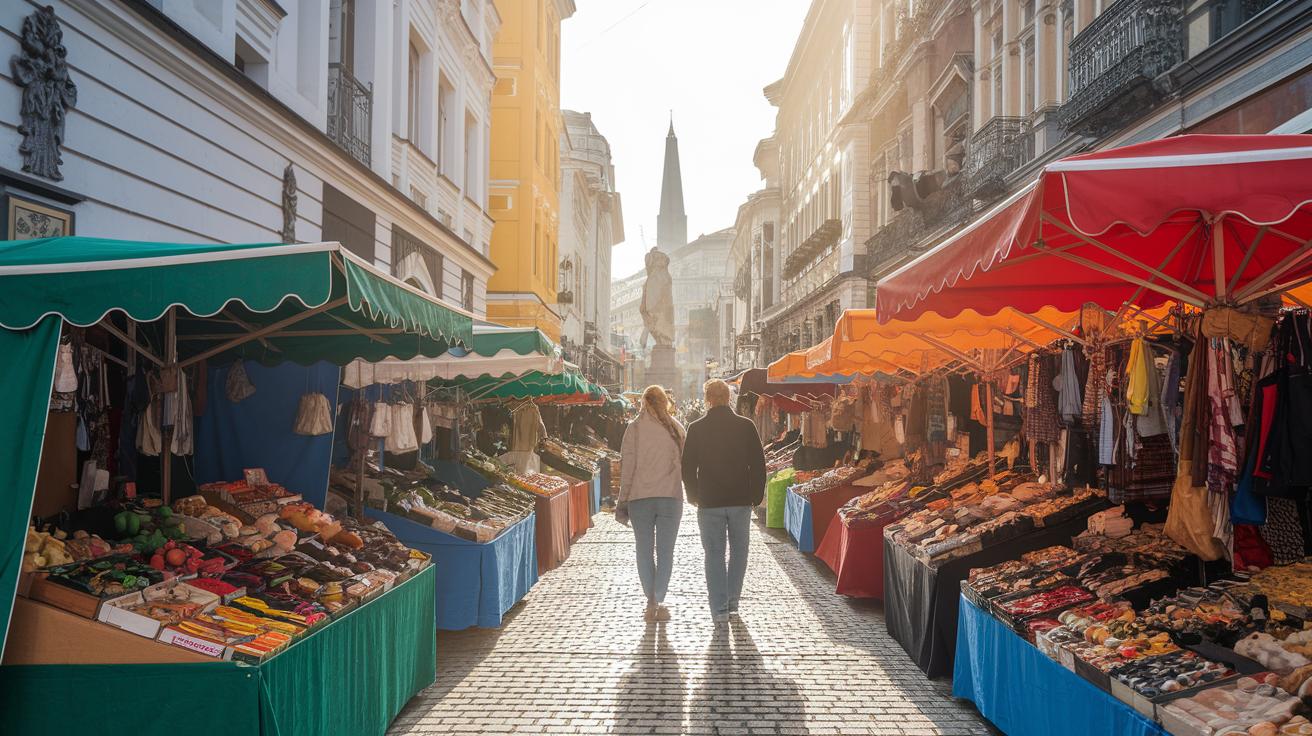
Imagine exploring a vibrant street market or wandering through old city alleys where every building and monument whispers a story from the past. Cultural heritage, in its simplest form, is the collection of treasures, both physical and living, that make each community unique. It’s like a patchwork of art, monuments, and traditions that connect us with those who came before.
Tangible heritage is all about the visible gems: historic buildings, famous paintings, time-worn sculptures, and statues that have witnessed countless sunsets. On the other hand, intangible heritage is the living spirit of a place, its age-old customs, lively festivals, and bedtime stories passed down orally for generations. Together, these two sides create a beautiful archive of memories that locals continue to cherish and honor.
Think of UNESCO’s role like that of a careful guide setting up trail markers to protect these cultural treasures. Their framework helps communities decide what to preserve, whether it’s a centuries-old cathedral or a dance passed down through the ages. This approach reminds us that culture is always evolving, merging cherished traditions with new ideas.
Next time you travel, take a moment to enjoy not only the stunning architecture but also the living traditions that fill the air. It’s these intertwined stories of art and life that invite us to see the world with wonder and to appreciate the deep history resting in every cultural corner.
Historical Evolution of Cultural Heritage
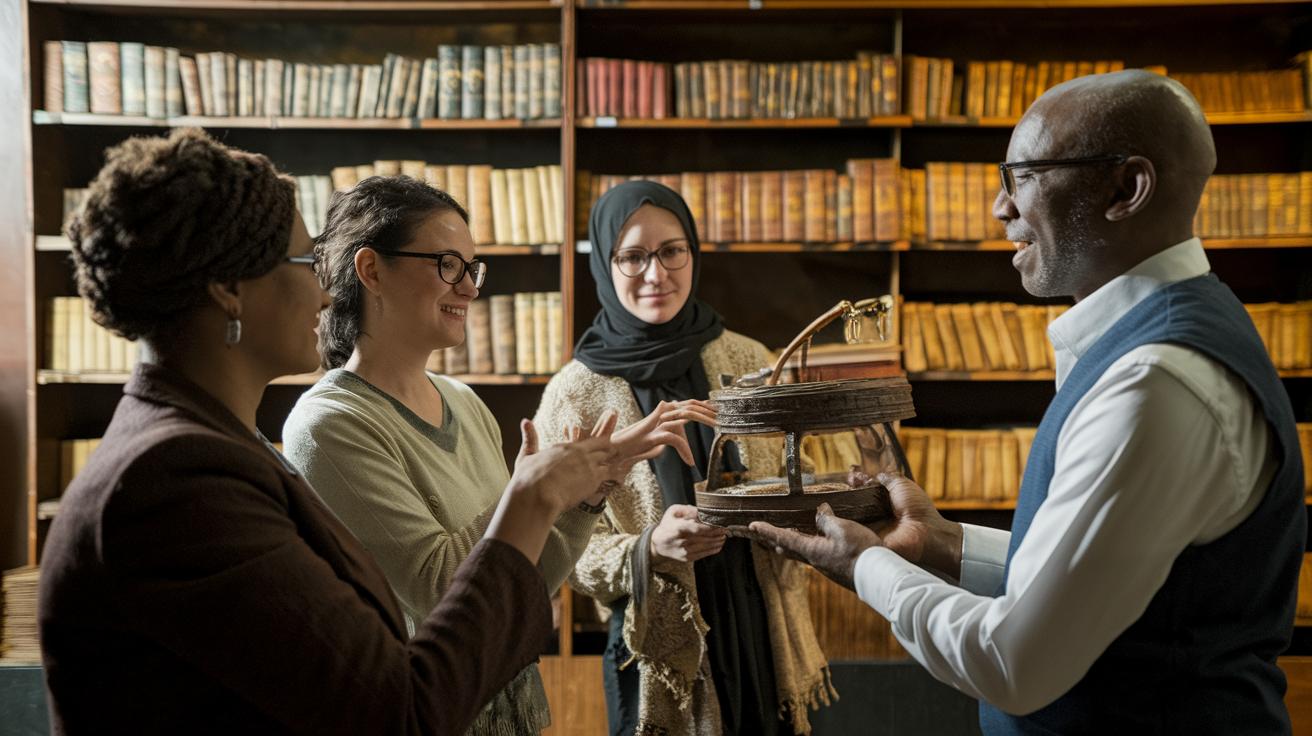
Cultural heritage is like a living story, woven over centuries with memories, traditions, and shared moments that bring people together. From the very first settlements to the modern celebrations we enjoy today, communities have always cherished the links that tie them to their past.
In olden days, people passed down tales and customs by speaking them aloud and through simple, everyday objects. Think of it like sharing family recipes, each story and artifact was a reminder of where they came from. Handmade items, like early manuscripts and sculptures, were treasured symbols of a group’s unique identity and were lovingly protected by local communities.
As time went on, cultures began to mix and share ideas across borders. Early on, you might see how Japanese prints influenced Western art, or how African masks sparked creativity among European painters. At the same time, grand political and social shifts, like the rise of neoclassical styles in America after the Renaissance, reminded people why it was so important to keep their ancient memories alive.
Today, our cultural heritage continues to transform in a global village. Traditional stories and customs blend from every corner of the world, much like mixing spices in a vibrant market. Every tradition, whether seen in tangible artifacts or cherished in stories, plays a vital role in celebrating the rich tapestry of our past and lighting the way for future generations.
Tangible Cultural Heritage: Iconic Monuments & UNESCO Sites
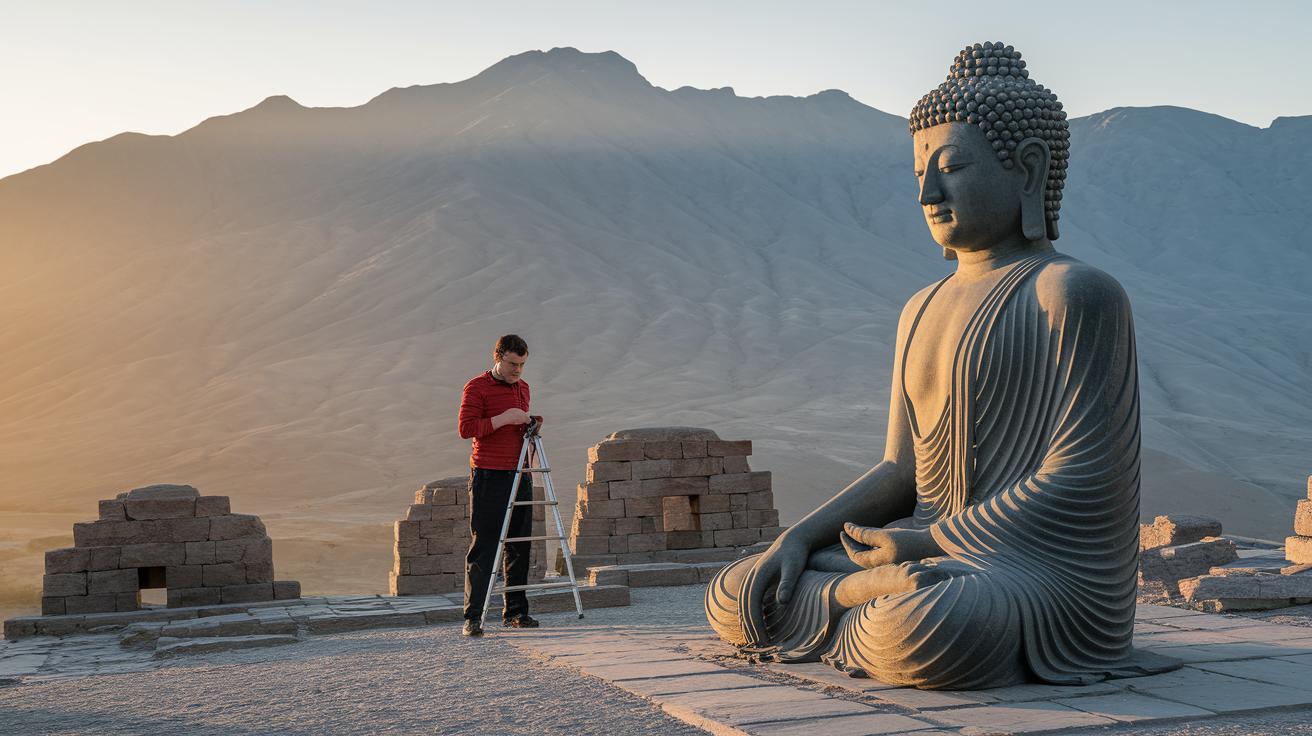
Tangible cultural heritage means the real, physical landmarks that tell the story of our past. These celebrated monuments are so much more than buildings, they echo the lives, art, and memories of ancient communities. Recognized by UNESCO, these sites follow strict rules that protect their history and beauty. Restoring them not only honors the creative spark of earlier generations but also serves as a living guide for today's cultural pride and learning.
| Site Name | Location | Significance |
|---|---|---|
| Bamiyan Buddhas | Afghanistan | Destroyed 2001; ongoing restoration |
| Longmen Binyang Central Cave | China | 5th-century Buddhist carvings |
| Mosque of Djenné | Mali | World’s largest mud-brick structure |
| Hagia Sophia (Istanbul) | Turkey | 6th-c. Byzantine architecture |
| Angkor Wat | Cambodia | Largest religious monument |
| Ercolano Fresco | Italy | Well-preserved Roman mural cycles |
Across the globe, the drive to restore and protect these treasures shows how much we value our shared past. Experts blend time-honored techniques with modern tools like 3D scanning (a way to make a detailed digital copy) and careful material treatments to fix cracks and slow wear, while keeping the original look and feel. These efforts not only shed light on how people built these wonders long ago but also bring us together by celebrating values that every culture can enjoy. Local artisans, governments, and international teams each add their own expertise to keep these landmarks thriving. In the end, these restored sites continue to be lively spots for learning and inspiration, reminding us of the strong role our cultural history plays in shaping who we are today.
Intangible Cultural Heritage: Traditions & Social Practices
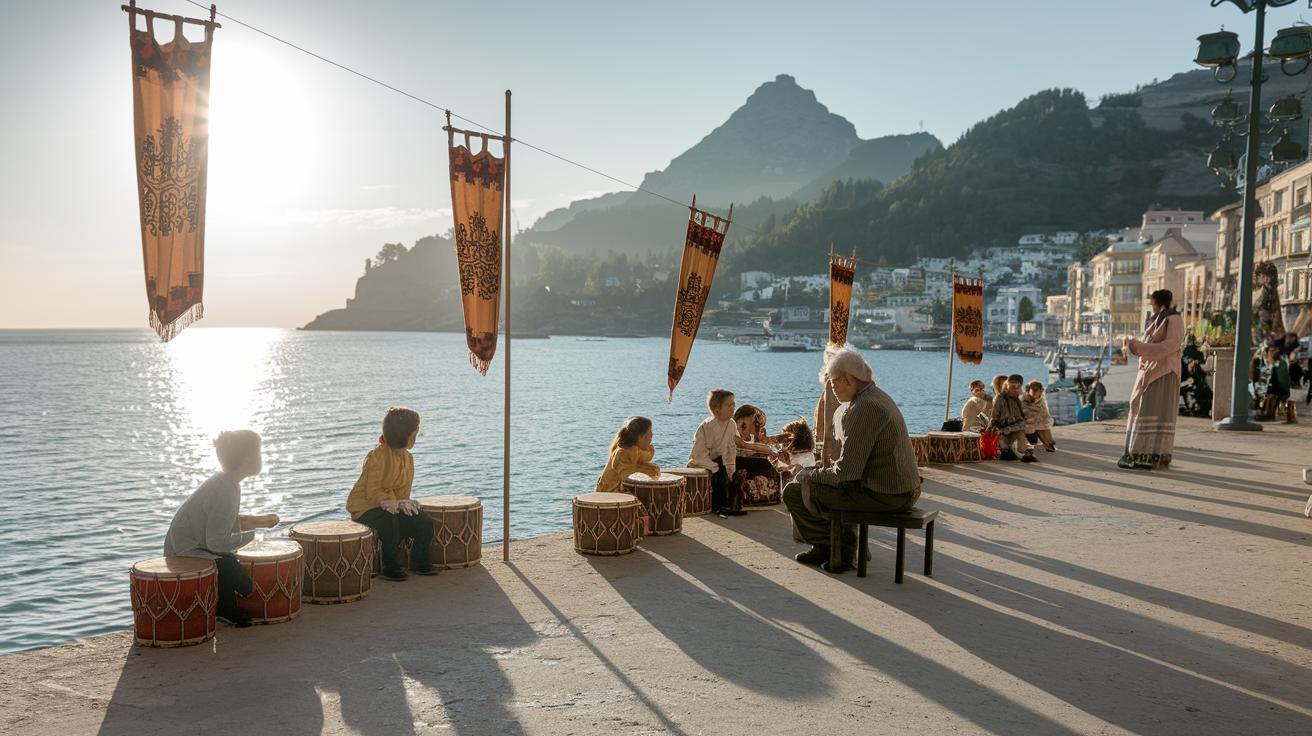
Intangible cultural heritage is all about the living traditions that people share every day. Think of lively stories told by elders, traditional songs that echo through the streets, and rituals that mark the seasons. Imagine sitting with community members as they share dramatic weather chants that bring their history to life.
UNESCO lends a hand by capturing and preserving these unique traditions. They record sounds from the field and back community projects that collect these special narratives. Picture a team carefully documenting rare folk songs, like saving a cherished family recipe for future generations.
At a seaside town, locals sing a special seafaring chant during harvest festivals, offering a glimpse into customs passed down through time. In quiet mountain villages, hands-on craft workshops show how art and old legends intertwine. These shared experiences keep a strong bond with the past while sparking a sense of pride and togetherness.
Preservation Methods & Legal Frameworks
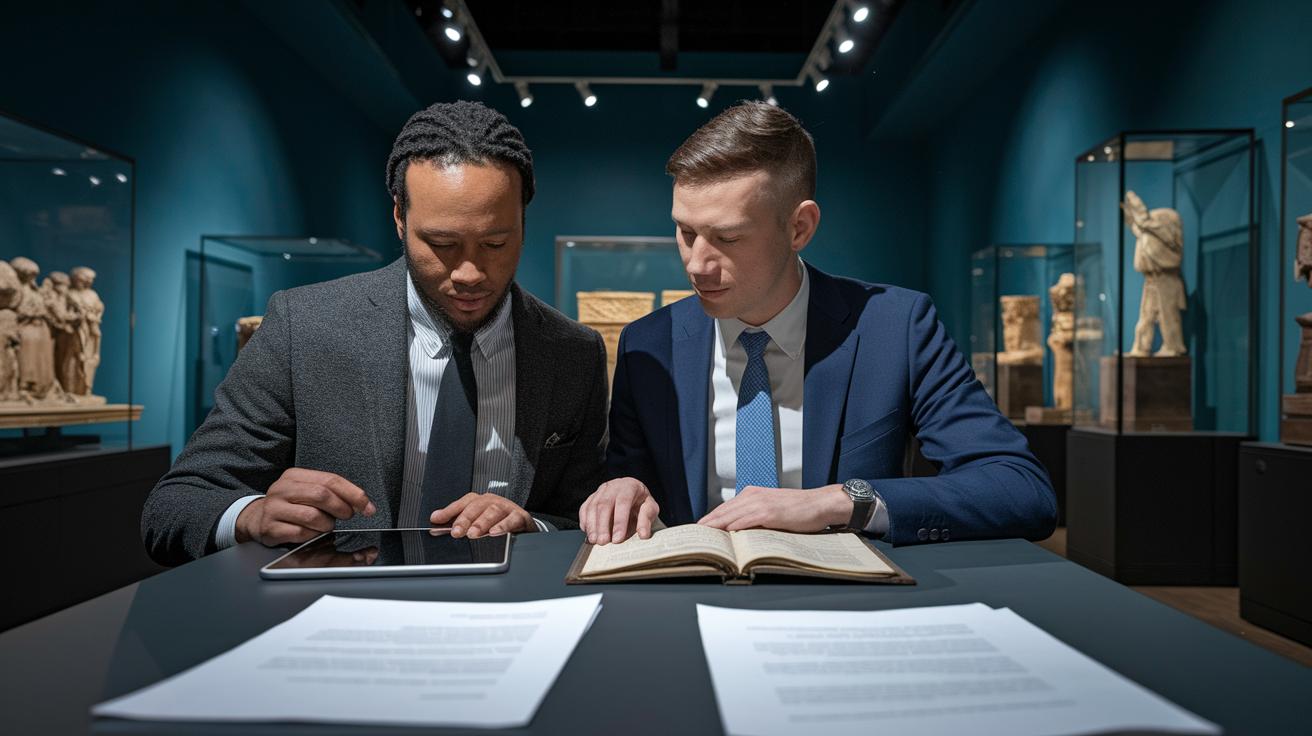
Preserving our cultural treasures is like embarking on a heartfelt journey where every careful step matters. Strong international agreements such as the 1954 Hague Convention with its Protocols, the 1977 Additional Protocol I to the 1949 Geneva Conventions, and even the 1998 Rome Statute, which treats the destruction of cultural sites as war crimes, serve as reliable maps. They guide us in protecting irreplaceable artifacts and timeless practices with clear, legal direction.
But these trusted legal tools work best when paired with modern techniques. Imagine combining a classic guidebook with the latest travel app, digital documentation, 3D scanning, and innovative community projects join forces to shield our shared history during conflicts and disasters. Local hands-on efforts add a warm, personal touch that keeps every story alive.
- On-site conservation and controlled restoration
- Legal protection via international treaties
- Digital documentation and 3D scanning
- Community engagement and traditional custodianship
- Sustainable site management and tourism guidelines
- Archival research and cataloguing
Even with these strong protections, challenges still pop up like unexpected roadblocks on a scenic drive. Urban development, tight funding, and environmental pressures all make it hard to balance history with modern needs. Experts often find themselves racing against time to preserve every detail before any restoration work begins.
Local community involvement is like adding a local friend to your travel adventure, they bring deep-rooted wisdom and pride that help maintain the true spirit of these cultural sites. By combining age-old conservation methods with digital archiving and community spirit, we ensure that each precious monument and tradition not only survives but continues to inspire and adapt for future generations.
Cultural Heritage & Community Identity

Our cultural heritage is the heart of every community, connecting today's life with stories and traditions passed down through generations. When we treasure local customs and historic sites, we all feel that warm sense of belonging, like a shared hug from the past that fills us with pride.
Studies show that living near historic landmarks and cultural treasures not only makes us feel good but also helps neighbors grow closer. People in these areas often build stronger support networks, which can even help cut down on some health worries. In other words, cherished buildings and traditions invite friendly chats and shared memories, making communities stronger and more resilient, no matter what changes come their way.
Local memorial events play an important role too. Take Spain’s Year of Memory in 2006, for example. This initiative brought people together, helping them heal and find common ground after old conflicts. By setting up special events, public displays, and community meetings, people can honor past losses, celebrate shared experiences, and build a legacy that keeps their community spirit alive.
Cultural Heritage Tourism & Responsible Engagement
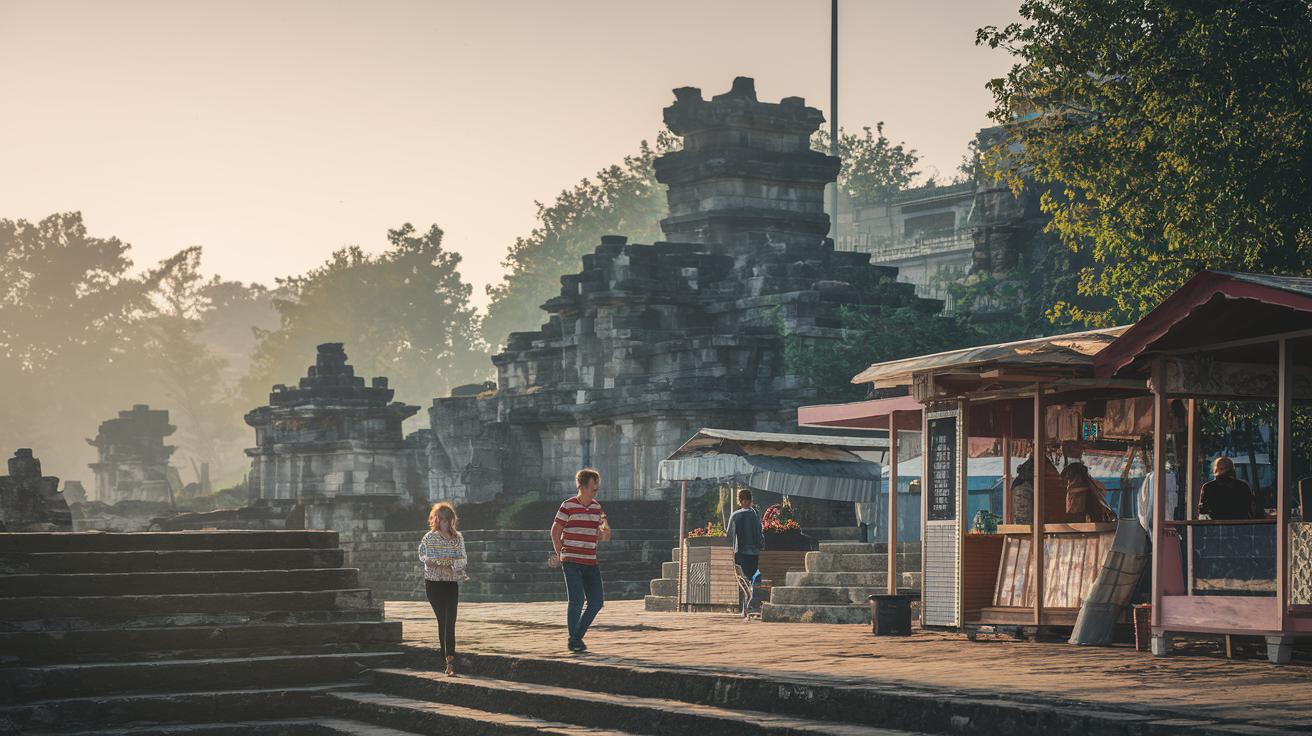
Travelers today are flocking to heritage sites, eager to uncover the real stories of the past while enjoying modern comforts. Imagine strolling through ancient ruins or wandering a heritage trail where every turn whispers secrets of local traditions and cherished customs. It feels like stepping into a living tapestry where history and modern life meet.
The boost in tourism is more than just exciting, it’s transforming local communities. As more visitors explore these treasured sites, funds flow in to help keep them well-preserved and vibrant. This kind of sustainable cultural tourism supports local artisans and traditions, filling everyday life with pride and a sense of heritage that lasts.
When you plan your trip, remember that responsible travel makes all the difference. Local guides often recommend clear, thoughtful practices like guided tours that dive deep into each site's history. These methods help protect cultural treasures while ensuring that every visitor enjoys an enriching, respectful experience. By following these simple tips, both travelers and local caretakers join forces to keep these landmarks alive for generations to come.
Final Words
In the action, we traced how cultural heritage builds its presence from iconic sites to traditional practices that knit communities together. The post outlined tangible and intangible heritage, preservation methods, and legal safeguards, alongside ways to enjoy these treasures responsibly.
Our text leaves one with the excitement of planning a trip that embraces local customs and expert travel tips. It’s a reminder of the value and vibrancy of cultural heritage around the world.
FAQ
What is cultural heritage?
The concept of cultural heritage refers to the traditions, artifacts, and practices that connect communities with their past. It encompasses both physical objects and living customs that express shared identity.
What are examples of cultural heritage?
The idea of cultural heritage examples includes historic landmarks like Angkor Wat and traditions such as folk music and community rituals, all illustrating a society’s way of life.
What are the characteristics of cultural heritage?
The notion of cultural heritage characteristics involves a blend of tangible items, like monuments and artworks, and intangible elements, such as customary practices and oral narratives.
What is my cultural heritage?
The term my cultural heritage represents the unique set of traditions, languages, and customs passed down within your family and community, forming part of your personal identity.
What is cultural heritage clothing?
The concept of cultural heritage clothing refers to traditional garments that reflect the history and values of a community, often showcasing unique designs and craft techniques.
What are cultural heritage pictures?
The idea behind cultural heritage pictures is to capture scenes and artifacts that visually represent historical traditions, architecture, and artistic expressions of a culture.
What is Cultural Heritage Day?
The notion of Cultural Heritage Day is a dedicated time to honor and celebrate shared traditions, artistic expressions, and historical customs that bind communities together.
What are cultural heritage sites?
The term cultural heritage sites refers to significant locations such as ancient monuments or historical museums that hold historical value and reflect the collective memory of a community.
What are the three types of cultural heritage?
The idea of the three types of cultural heritage includes tangible heritage items, intangible cultural practices, and natural sites that together symbolize a community’s historical and social values.