

Can one small act of noticing a different culture bring us closer together? Imagine sitting in a friendly, little diner somewhere that feels like home, sharing a meal and stories with people from all walks of life. Cultural awareness means simply noticing how people live their lives and finding that common thread that unites us.
This approach can spark genuine connections. It builds bridges between strangers while celebrating both our similarities and our differences. Think of it like watching ripples spread across a calm lake, each small action creates waves of understanding that touch us all.
Have you ever shared a laugh with someone you just met and felt a spark of connection? In this post, we dive into how noticing these cultural cues can light the way to positive change, making every encounter a chance for global unity and respect.
What is Cultural Awareness and Why It Matters
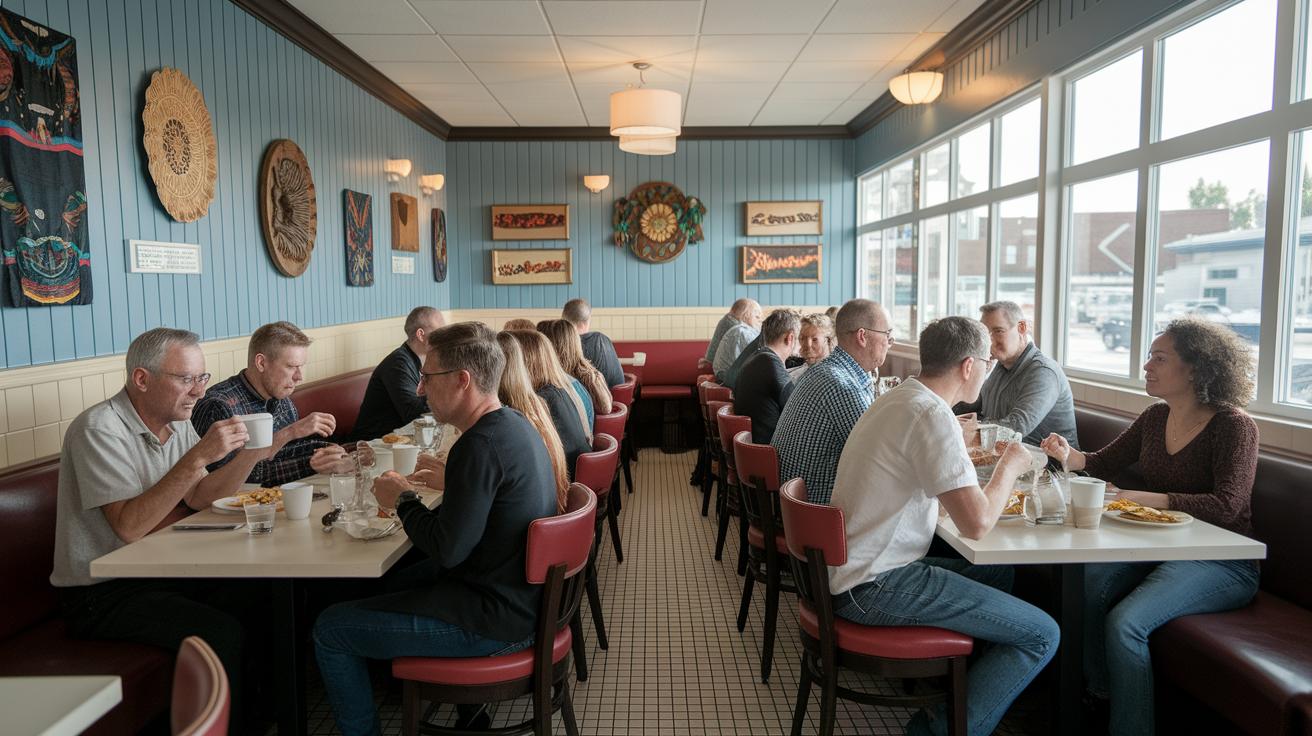
Cultural awareness is about noticing both the differences and the similarities in how people live their lives. It means understanding how things like language, religion, dress, and social customs shape everyday life. Imagine a small-town diner where locals from many backgrounds share their favorite foods and stories, this tiny event sparks conversations that bridge cultural divides.
When you start to appreciate cultural awareness, you also begin to feel what others feel. Sharing a meal or a simple coffee chat can open the door to conversations that build understanding and tolerance. And hey, this kind of empathy can even boost your job prospects because it shows you can connect with people from all walks of life.
While traveling, cultural awareness can really smooth out the bumps of culture shock. It gives you the tools to enjoy local customs without accidentally causing offense. In fact, understanding new cultures can spark personal growth and bring communities closer together, challenging old ideas and celebrating fresh perspectives.
At its heart, cultural awareness is about staying curious and open-minded. It invites you to see differences as treasures and to let a mix of perspectives spark positive change, whether you're exploring new lands or working with a team back home.
Tracing the Evolution of Cultural Awareness

Back in the 1800s, curious scholars, what we’d now call early anthropologists, started jotting down how people lived. They carefully noted languages, customs, and everyday practices, opening our eyes to the rich tapestry of human life. Their work is like a map, showing us why every tradition matters and how preserved cultural heritage can help us think about society today.
After World War II, big shifts in politics and a need for countries to work together made cultural awareness a hot topic. People began to see that even when traditions seem very different, our shared human experiences can spark empathy and teamwork. It was a time when deep academic insights started blending with community efforts, making the idea of cultural connection something everyone could relate to.
Then came the Civil Rights Movement in the 1960s and 1970s, a time that invited us to question old biases and embrace a mix of cultural stories. This period pushed the idea that celebrating differences can lead to real social change. And with our modern, globalized world, cultural awareness now stands as a vibrant force, inspiring projects that honor diversity and encourage respectful exchanges across borders.
Cultural Awareness vs. Cultural Competence in Practice

Cultural awareness starts by looking inward. It’s about taking a quiet moment to reflect on your own values, beliefs, and even the little biases you might not notice every day. Imagine having a relaxed lunch chat with friends from different walks of life, where subtle cultural hints spark an understanding of what makes each person unique.
Cultural competence goes a step further by turning that insight into action. It’s like learning a practical skill when you’re in a meeting and notice someone communicating in a style that’s new to you. This kind of awareness helps you adjust and connect, making it easier for teams to embrace and celebrate everyone’s differences.
Using cultural awareness is like checking your map before a journey, it helps you question your usual assumptions. And cultural competence is the roadmap that guides you through new and exciting routes, showing you how to mix different perspectives like spices in a perfectly balanced meal.
When organizations nurture both awareness and competence, they create a vibrant space where real curiosity and respect flourish. Leaders who embody this balance don’t just improve teamwork, they inspire everyone to join in more inclusive and heartfelt conversations.
cultural awareness sparks positive global unity

Cultural awareness opens our eyes to the many layers of human connection, helping us understand how people interact across the globe. By noticing both our differences and similarities in thoughts and lifestyles, we create a space where unity can truly blossom. These familiar models act like a roadmap, guiding us through the complex mix of cultures. Imagine this: researchers discovered that even a small shift in perspective during a shared meal can reveal deep insights about what a society truly values.
Every framework offers a fresh lens to view the world. Some zoom in on personal growth, while others explore how groups blend their efforts and ideas. Think of these models as essential tools in your travel kit, each one designed to help you connect with new communities. Using them, individuals and organizations can learn practical skills that spark warm, honest conversations and build mutual respect, whether it's over a casual lunch or during a lively intercultural meetup.
| Framework Name | Core Focus | Stages/Dimensions |
|---|---|---|
| Bennett’s DMIS | Intercultural sensitivity growth | Six stages |
| Hofstede’s Cultural Dimensions Theory | National cultural values | Six dimensions |
| Intercultural Development Inventory (IDI) | Intercultural competence measurement | Score-based development |
| GLOBE Project | Organizational and societal norms | Nine dimensions |
| Trompenaars’ Model | National culture differences | Seven dimensions |
| Cultural Competence Continuum | Organizational progress in sensitivity | Sequential stages |
| Cross-Cultural Adaptability Inventory (CCAI) | Adaptability in diverse settings | Trait assessment |
| Five-Factor Model of Personality | Personality traits in context | Five dimensions |
By leaning into these models, communities and workplaces can create interactions that feel welcoming and genuine. They offer a step-by-step guide to bridging cultural gaps, paving the way for continuous growth and truly positive global unity.
Training Sessions and Online Instruction for Cultural Awareness

Building a strong base for working with people from different backgrounds is a lot like planning an exciting journey. When clear, hands-on training is offered, everyone gets the chance to try real-life scenarios, gradually growing more confident as they navigate intercultural encounters. These sessions turn classroom ideas into practical skills you'll use every day.
- Inclusive workplace training (in-person)
- Executive coaching
- Customized group sessions
- Train-the-trainer programs
- eLearning platforms and MOOCs
- Integrative workshops with live discussion
- Simulation exercises based on real scenarios
- Roleplaying scenarios to practice responses
- Virtual intercultural exchanges for remote teams
Choosing the perfect mix of sessions and online tools is a bit like mapping out your dream vacation. If you and your team thrive on face-to-face interactions, in-person workshops or roleplay sessions might be ideal. But for teams scattered over different locations, virtual exchanges and eLearning modules bring the adventure right to your screen. This balanced approach allows everyone to gradually embrace new ideas, making cross-cultural communication smoother and more enjoyable.
Applying Cultural Awareness in Healthcare and Counseling

Being aware of different cultures in healthcare really helps create a connection with patients from all walks of life. When nurses and doctors pay attention to the ways language, traditions, and customs shape a patient’s views on care, it makes the treatment feel more caring and friendly. Imagine a nurse who picks up on small cues in a patient’s behavior; it could lead to a conversation that feels warm and understanding.
In hospitals, knowing about a patient’s cultural background can make treatment plans both respectful and effective. For example, a doctor might learn that a patient uses home remedies or follows a special diet. This knowledge encourages them to ask open-ended questions and truly listen. It’s a bit like planning a road trip with a trusted friend, you make sure every detail fits before you set off.
Counseling works the same way. When a therapist takes time to learn about a client’s background, it builds trust and respect quickly. A simple comment like, "I really appreciate how your traditions have shaped who you are," can make a big difference. This kind of genuine care sets the stage for true progress in therapy.
When hospitals embrace cultural awareness, studies show that patients feel happier and see better results. By using empathy in healthcare and respect in counseling, a little extra attention to cultural differences can build a strong foundation of trust and understanding for every patient.
Fostering Workplace Inclusion through Cultural Awareness

Workplace conversations, be it during feedback sessions, meetings, or casual chats, reflect the unique cultural habits we all carry from home. In the office, some folks speak plainly while others stick to a softer, more indirect style. Imagine a team where one person loves straight-to-the-point comments and another favors gentle hints; if these differences aren’t recognized, confusion is sure to follow. Plus, little things like how we view time and hierarchy quietly influence our daily interactions.
Leaders who are genuinely curious and respectful can light up the room and make sure every voice gets heard. Picture a manager kicking off a meeting with a simple question like, “Have you ever noticed how a new idea lights up when you just listen?” That small moment invites everyone to share their own story and ideas. This kind of openness turns inclusiveness from a rule into a natural way of thinking and working together.
Simple strategies can make a big difference. Try introducing inclusive frameworks, offering leadership training focused on cultural sensitivity, and hosting cross-team workshops. These steps create places where feedback feels like a conversation and differences become strengths. When real-life examples are shared, everyday exchanges turn into opportunities for learning and growing together.
Routine practices like these help build a culture rooted in respect and curiosity. Not only do they ease conflicts, but they also spark innovation as teams tap into their diverse backgrounds. It's all about transforming every day at work into a chance to discover new perspectives and thrive as one united team.
Cultural awareness sparks positive global unity

Grassroots outreach nurtures a sense of shared connection and respect. Local gatherings like community meals or relaxed happy hours let neighbors swap family stories and favorite customs in a warm, inviting setting.
Imagine a neighborhood block party where booths overflow with handmade crafts, cherished family recipes, and tales passed down through generations. One community festival, celebrating these unique traditions, boosted volunteer participation by 20% and even sparked a 27% lift in cooperation. Have you ever seen a festival change a town so dramatically?
International exchange programs take these benefits global. They connect local leaders with peers around the world, expanding our understanding and appreciation of diverse cultures. In fact, studies show that such initiatives can raise cultural awareness by as much as 32%.
Every shared meal, every told story, and every joyful celebration weaves a tighter bond among people. It’s these moments that build lasting respect and help us come together as one community.
Measuring Impact and Sustaining Cultural Awareness Efforts

When building cultural awareness, research gives us real clues that help shape our programs as time goes on. We use tools like the Intercultural Development Inventory (IDI) and friendly quizzes, much like the one from London School of English, to check how well people are tuning into different cultures. Plus, regular surveys and simple observations help us gather data that guides policy changes and organizational shifts.
Numbers paired with real-world feedback paint a clear picture of progress. Sometimes a quick staff survey shows that team connections are growing stronger, hinting at a deeper cultural understanding. And by observing everyday interactions, we catch those small moments of respect that matter a lot. We keep tracking these trends to fine-tune our training and keep it effective.
When organizations take the time to gather evidence and listen to their teams, they build flexible plans that keep cultural awareness on point. Regular reviews let us see what’s working and where we might need to adjust. This approach not only boosts our current efforts but also gives us confidence that steady cultural awareness can truly improve how we work together every day.
Final Words
In the action, the post brought us a clear look at cultural awareness and its impact in both personal and professional settings. It traced the evolution of this vital concept, compared its nuances with cultural competence, and presented practical models and training sessions that shape our everyday exchanges. The discussion touched on healthcare, workplace, and community contexts, demonstrating how each step builds better understanding. Embracing these insights leaves us uplifted and ready to savor every encounter with true cultural awareness.
FAQ
What are some cultural awareness examples?
Cultural awareness examples include recognizing differences in language, customs, and dress codes, demonstrating respect for varying traditions in workplaces, healthcare, and community settings, all while fostering open-minded dialogue.
How does cultural awareness in the workplace function?
Cultural awareness in the workplace refers to understanding different values, styles, and communication patterns, leading to more effective collaboration, reduced misunderstandings, and a more respectful and inclusive work environment.
How do cultural awareness and sensitivity work together?
Cultural awareness and sensitivity work together by encouraging individuals to acknowledge differences and show respect, ensuring that interactions, whether personal or professional, are approached with empathy and understanding.
What do cultural awareness posters or drawings depict?
Cultural awareness posters or drawings depict symbols and imagery that highlight respect for diverse traditions and social norms, nudging viewers to reflect on and appreciate the richness of various cultural expressions.
What are the five steps for building cultural awareness?
The five steps for cultural awareness involve self-reflection, recognizing personal biases, actively learning about differences, engaging in respectful dialogue, and applying that insight to improve everyday interactions.
What best describes cultural awareness?
Cultural awareness is defined as the thoughtful recognition and respect of differences in beliefs, customs, and social practices, achieved through self-examination and continuous learning about diverse cultural perspectives.
Why is cultural awareness important for life?
Cultural awareness is vital for life because it enriches personal experiences, improves communication, reduces conflicts, and builds stronger connections within diverse communities, promoting overall social harmony.
What is an example of cultural awareness in the workplace?
An example of cultural awareness in a workplace is when team members celebrate various cultural holidays and adjust communication styles, creating an environment that values inclusivity and respects diverse backgrounds.
How does cultural awareness impact nursing and healthcare?
Cultural awareness in nursing and healthcare enhances patient care by encouraging professionals to understand and respect patient traditions, tailor treatment plans, and communicate with empathy, ultimately improving health outcomes.


inyección para bajar de peso semaglutida precio
inyección para bajar de peso semaglutida precio
proscar 1mg price in pakistan
proscar 1mg price in pakistan
doxycycline hyclate nausea
doxycycline hyclate nausea
metronidazole gel for bv directions
metronidazole gel for bv directions
minoxidil kirkland results
minoxidil kirkland results
acyclovir walgreens
acyclovir walgreens
toradol migraine relief reference
toradol migraine relief reference
avanafil drug interaction contraindications
avanafil drug interaction contraindications
possible side effects
possible side effects
orlistat food protocol
orlistat food protocol
orlistat digestive enzyme inhibition
orlistat digestive enzyme inhibition
Viagra vs sildenafil variability
Viagra vs sildenafil variability
clindamycin medication overview
clindamycin medication overview