Have you ever been drawn to a place that seems to speak right to your heart? Cultural heritage is more than ancient buildings or well-worn relics – it’s a living story connecting us to our past and brightening our spirits.
In this post, we explore seven unique cultural gems that remind us of our roots while inspiring us to see today in a new way. Each spot has its own quiet tale, sparking pride and keeping cherished memories alive. Have you ever wondered what hidden story your surroundings might hold?
Defining Cultural Heritage: Tangible and Intangible Dimensions
UNESCO explains cultural heritage as more than old buildings or artifacts, it’s about the stories and traditions woven into them. Think of it like holding an ancient manuscript that whispers secrets from the past. This heritage covers not only statues and paintings but also lively traditions like music and shared local stories. It even stretches to entire towns, underwater treasures, and natural landscapes, showing how people feel connected to where they live.
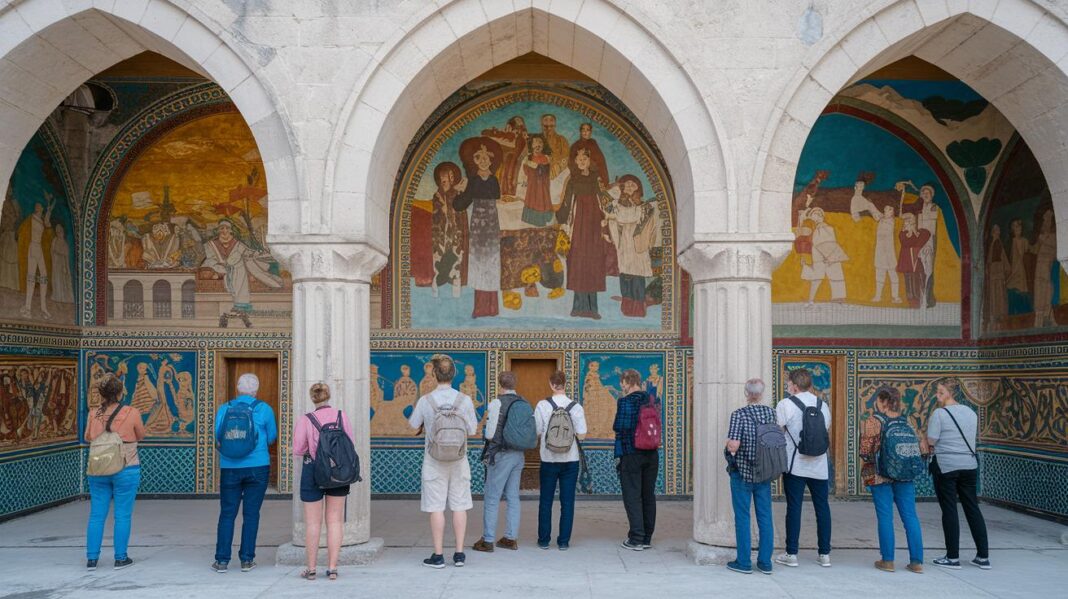
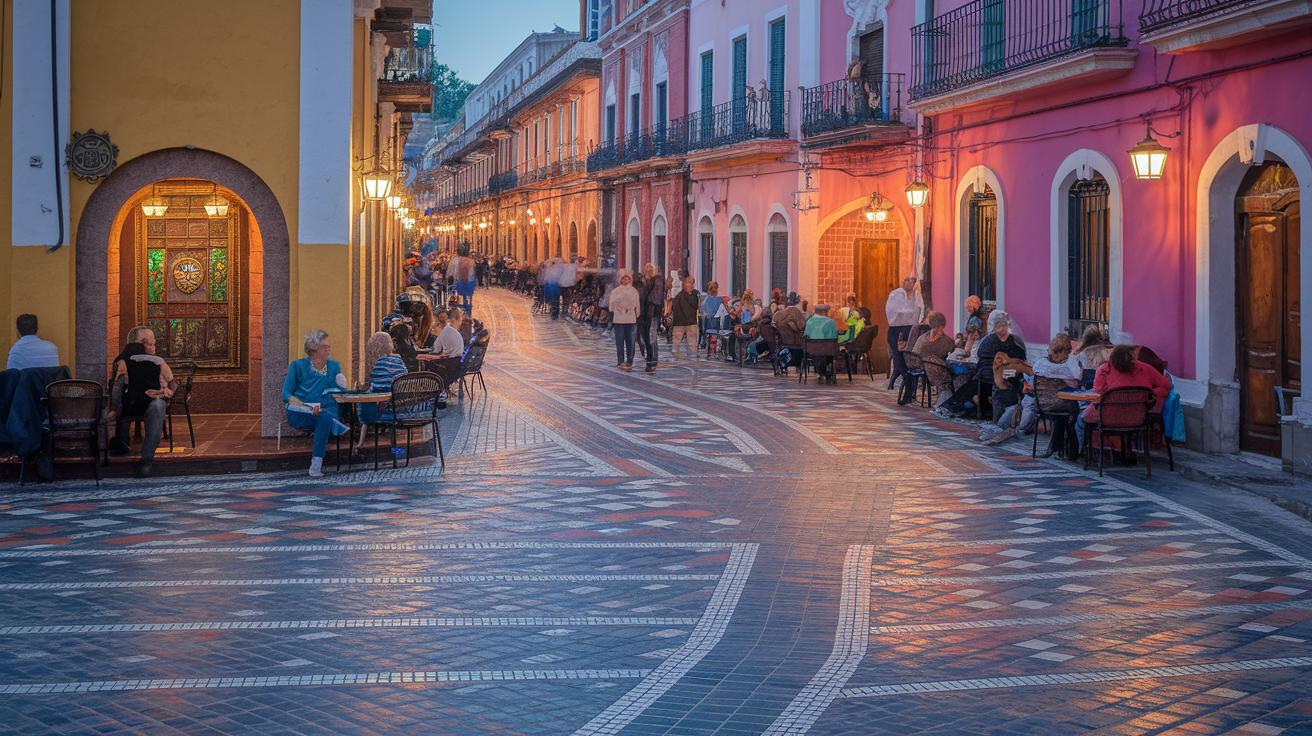
When you picture tangible heritage, you might imagine stunning mosaics or timeless sculptures that have witnessed centuries of change. Imagine walking through an old plaza where every brick has its own tale of heroism and hardship. These artful relics don’t just stand there; they set the scene for community events and age-old practices that remind us who we are and where we came from.
On the flip side, intangible heritage is all about the living soul of a culture. It’s in the gentle tunes passed down through generations or the oral histories that keep traditions alive. Picture a small town where the soft hum of a familiar song fills the air, connecting people in a silent, shared memory. By celebrating both the physical and the emotional, UNESCO reminds us that our cultural legacy is as much about the people and their stories as it is about the monuments that mark their history.
Historical Evolution of Cultural Heritage Concepts
Long ago, safeguarding cultural heritage meant simply taking care of old buildings and important records. Folks focused on preserving weathered structures and cherished documents, like keeping treasured snapshots of days gone by. Imagine it as protecting the very foundation that has nurtured beloved traditions for generations.
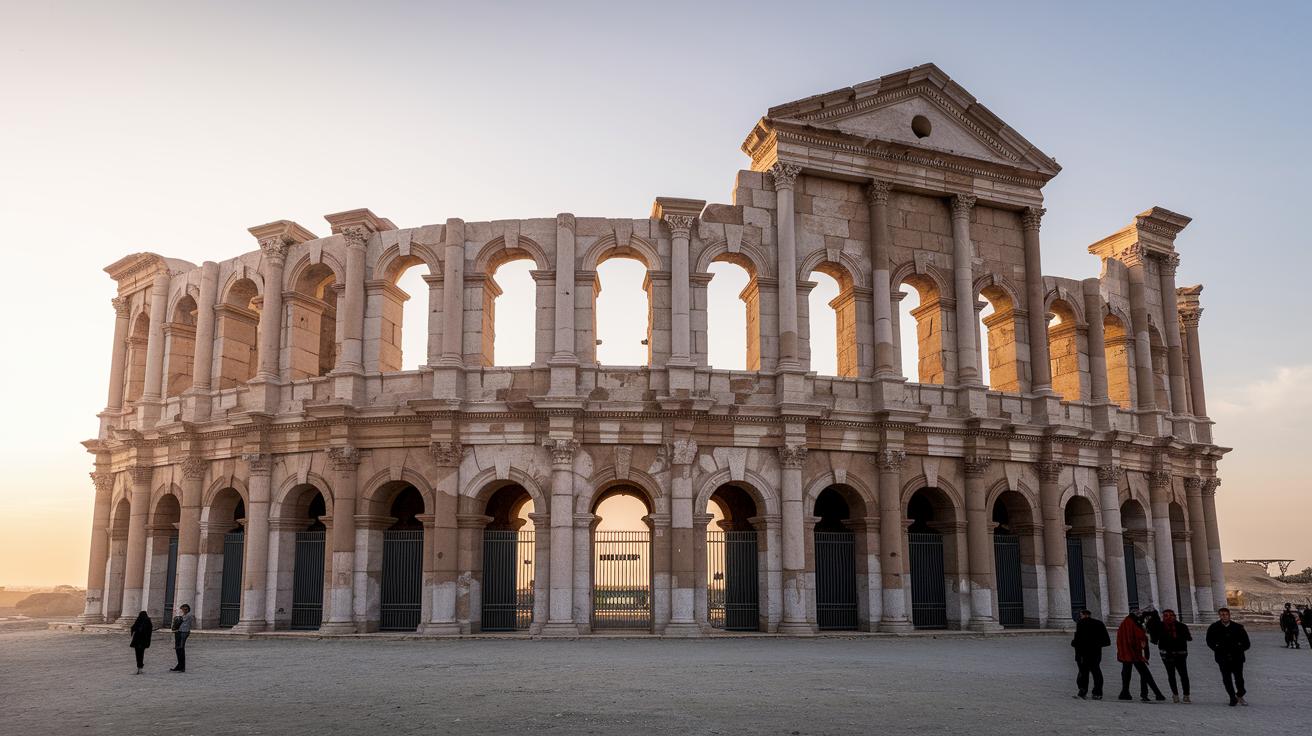
Consider the Roman Theatre in Palmyra, Syria. This vibrant spot, once alive with local celebrations, later became a somber stage when it was used for mass executions in 2016. It’s both surprising and heartbreaking to see how a place once filled with communal pride was twisted into a tool for political control. Have you ever wondered how history can change so drastically?
Then there's the story from Babylon under Saddam Hussein. He built an extravagant palace and even carved his name on ancient Assyrian bricks. Picture centuries-old stones reimagined to tell a modern tale of power, where every engraved brick shouted authority instead of celebrating a storied legacy.
Today, our idea of heritage has grown richer. We now honor not just physical relics, but also the living traditions and customs that continue to shape our communities. Modern thinking celebrates both ancient artifacts and vibrant rituals, making sure every piece of heritage uplifts us and connects us to our ever-changing past.
Legal Frameworks for Cultural Heritage Protection

International agreements act like a trusted guide, helping protect our cultural landmarks when times get tough. They bring countries together, ensuring historic sites and sacred places are defended, and harmful acts are met with clear consequences. When ancient monuments or cherished sites suffer damage, it’s not only a loss of beauty, it’s a strike against our shared human rights.
Think of these legal rules as a sturdy shield for our past. They mark any acts of destruction as serious breaches under international law.
- 1954 Hague Convention and its Protocols – Protect historic monuments and religious buildings during conflicts.
- 1977 Additional Protocol I to the Geneva Conventions – Treats the destruction of cultural heritage as a war crime.
- 1998 Rome Statute – Recognizes the destruction of heritage as a crime against humanity.
- Universal Declaration of Human Rights – Upholds cultural rights as a vital part of human dignity.
- International Covenant on Economic, Social and Cultural Rights – Emphasizes the importance of cultural participation.
- International Covenant on Civil and Political Rights – Ensures that people have the right to share and express their cultural values.
These strong legal tools, along with the commitment highlighted in UN Resolution 33/20 (2016), remind us that our heritage is far more than old stones and faded memories, it’s the living story of our collective experiences, safeguarded for generations to come.
7 cultural heritage gems that uplift
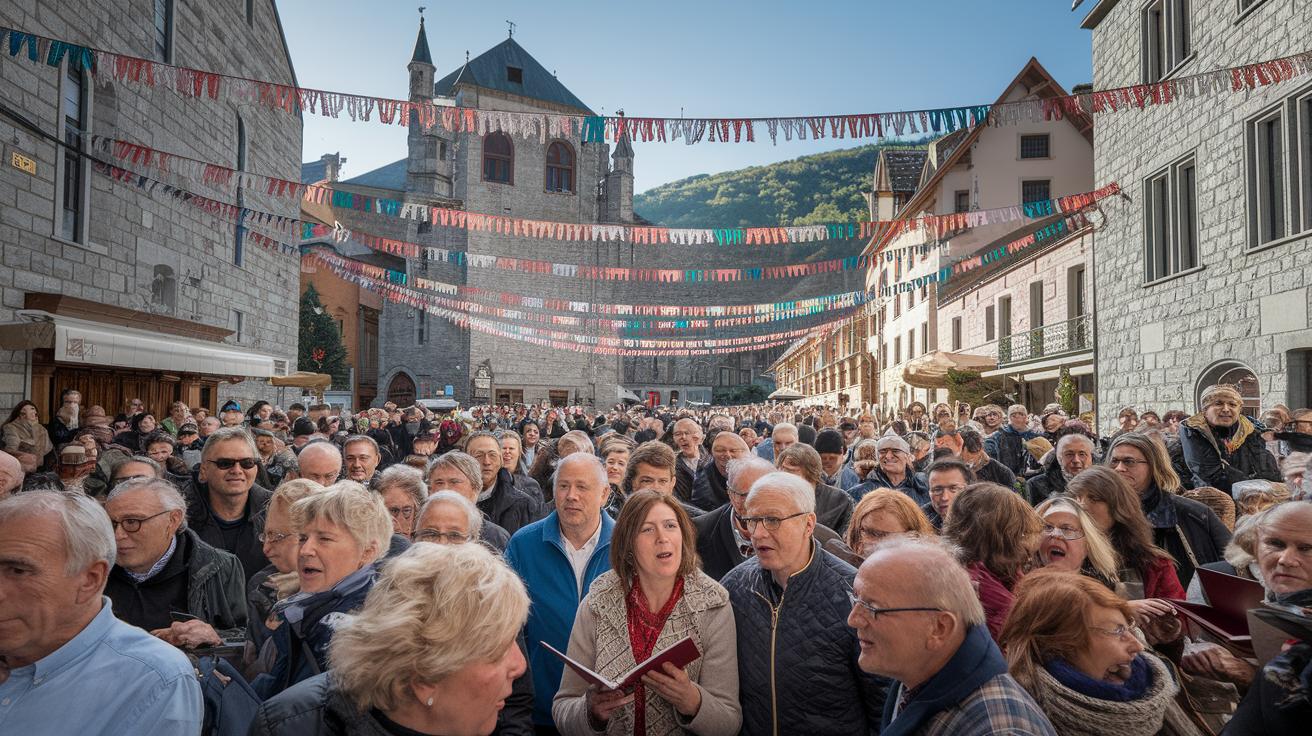
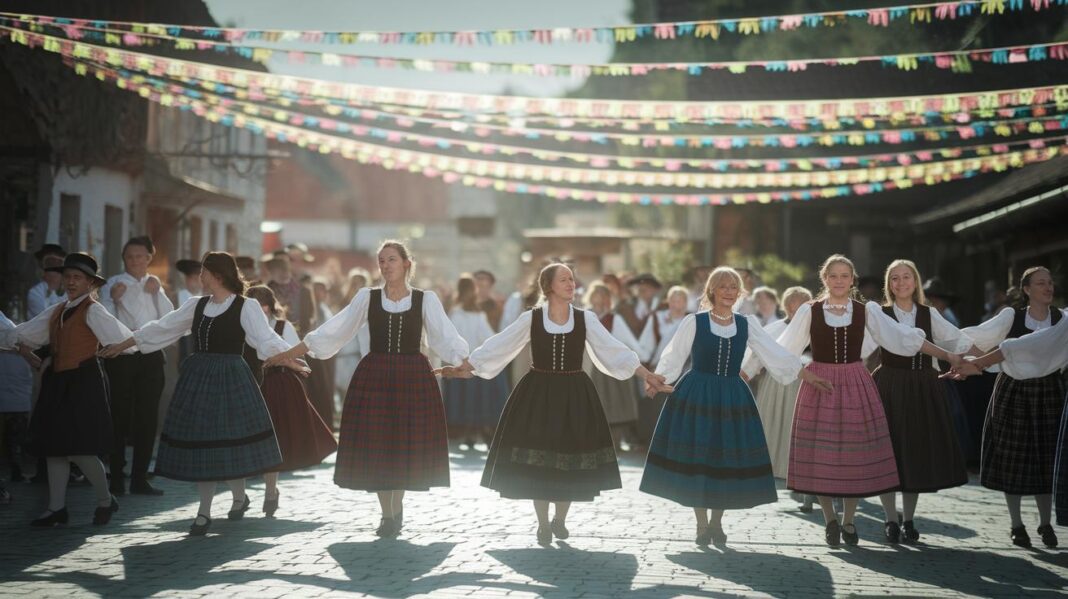
Cultural sites are the heart of community life. They are places where friends and neighbors come together for rituals and ceremonies that celebrate shared traditions. Imagine a centuries-old town square, alive during a seasonal festival, where locals sing and pass down stories from one generation to the next. These moments keep history alive in everyday life.
Historic landmarks are like storytellers made of stone. When families visit these treasured sites, they step into tales of past struggles and triumphs. Picture an old building with intricate carvings whispering secrets of long-gone days. It fills you with pride and inspires everyone to keep the stories vibrant.
Studies even show that communities enriched by these cultural treasures feel closer and healthier. A bustling town center that holds weekly events encourages neighbors to connect, share, and support one another. In this way, heritage sites are not just relics of the past, they are living gems that strengthen our bonds every day.
Economic Value of Cultural Heritage and Tourism

Heritage tourism is booming these days, drawing in travelers who are excited to visit famous museums, ancient monuments, and lively festivals. And it’s not just about looking at pretty sights, this trend sparks great job opportunities and brings in extra income. Have you ever felt that pull toward a place full of history?
Local visitors, filled with genuine excitement, help small businesses thrive. Their visits create a positive ripple effect in regional economies and even boost research and study in historical areas. It’s like every footstep adds a little more life to these cherished sites.
Communities see real benefits too. Money from entrance fees, guided tours, and local craft markets helps support artisans and keeps traditional skills alive. Many small businesses grow by offering unique cultural goodies, and local festivals create jobs and lift community spirit. All of this solid activity not only strengthens regional stability but also honors the rich heritage that each community holds dear.
Landmark Cultural Heritage Sites: Case Studies

Step into a realm of rich heritage as we explore seven famous sites that have shaped our shared history. Each landmark is like a chapter from a beloved travel tale, showcasing creative skill, groundbreaking architecture, and the spirited heart of communities over time. Imagine ancient ruins softly whispering timeless stories, from the lost Bamiyan Buddhas in Afghanistan to the lively echoes of Templo Mayor in Mexico City.
| Site | Location | Significance |
|---|---|---|
| Bamiyan Buddhas | Afghanistan | 6th-century statues tragically destroyed in 2001 |
| Angkor Wat | Cambodia | 12th-century temple complex, celebrated by UNESCO in 1992 |
| Hagia Sophia | Istanbul | Built in 537 CE; transformed between church, mosque, and museum |
| Mosque of Djenné | Mali | 13th-century mud-brick marvel; the world’s largest adobe building |
| Roman Theatre at Palmyra | Syria | Historically repurposed; later used for executions by ISIS in 2016 |
| Longmen Grottoes | China | Buddhist cave inscriptions dating back to the 5th century, UNESCO listed in 2000 |
| Templo Mayor | Mexico City | An Aztec ritual site rediscovered in 1978, revealing ancient cultural practices |
This table is a snapshot into our vibrant cultural quilt. Every site keeps alive relics of its past, while also nurturing a connection with today's communities. Their timeless appeal shows us that our history, etched in stone and spirit, continues to inspire and light our way wherever we travel.
Cross-Cultural Exchanges and Heritage Influences
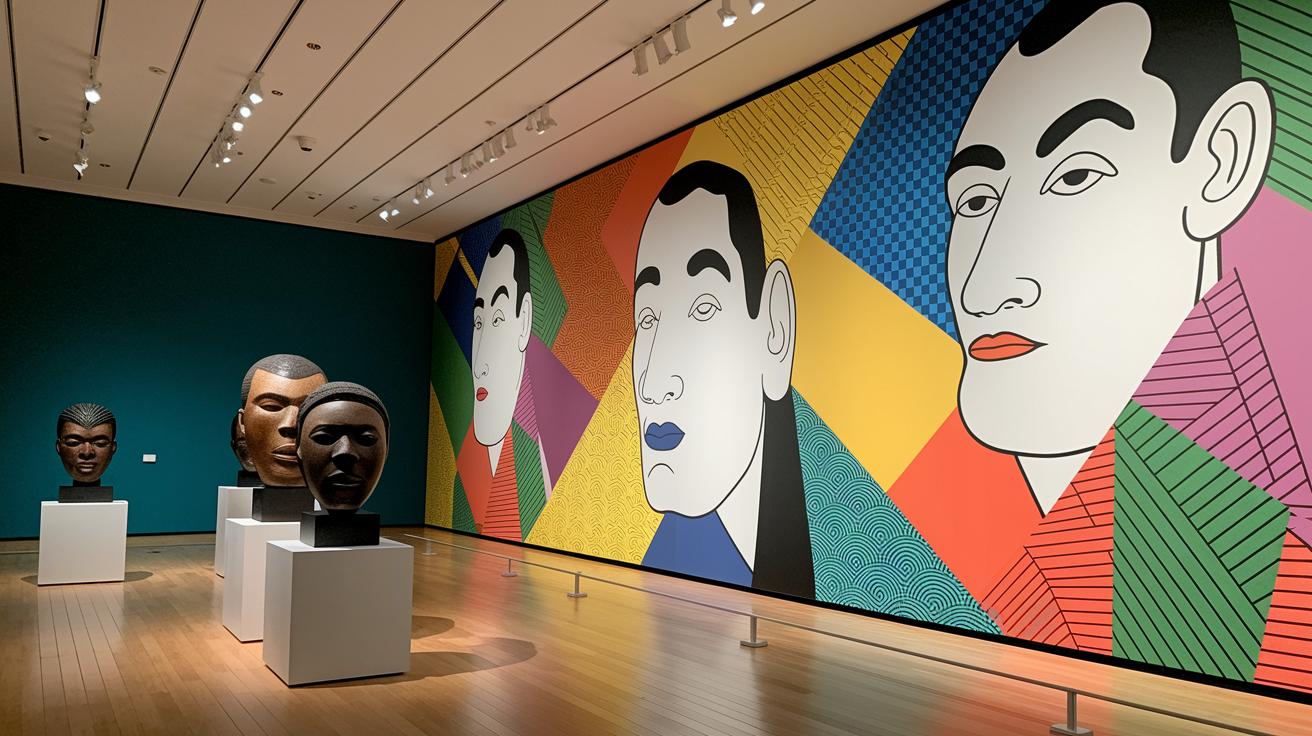
Art and architecture burst into life when cultures intertwine. Have you ever marveled at how blending different traditions can create something entirely fresh, sparking new ways to tell a story through visuals? It feels like opening a window to far-off lands and vibrant traditions.
Japanese ukiyo-e prints, for example, gently nudged Paul Gauguin’s approach. His soft color blending and bold outlines evoke those delicate prints, each brushstroke whispering tales from distant shores.
African masks left their mark too, fueling Pablo Picasso’s leap into Cubism. Picture traditional masks with striking, angular designs meeting modern art’s abstract twists. And across continents, European building methods were reimagined in colonial Africa, giving rise to unique hybrid structures that mix local flair with imported styles.
Today, artists continue to blend ethnic traditions with global customs. Their creations spark a lively conversation between age-old stories and diverse perspectives, a constant reminder that heritage isn’t fixed but evolves with every creative exchange.
Conservation Strategies and Future Directions in Cultural Heritage

Institutions are like friendly guides that help protect the treasures of our past. Organizations such as the Blue Shield work in tough spots, offering emergency help and hands-on training to those on the front lines. Their steady, well-coordinated responses help set the stage for meaningful conservation efforts that honor our shared cultural story.
Technology is now our trusted travel companion in this journey. Modern restoration techniques take a careful look at materials, document every tiny detail, and invite the local community to join the restoration process. Plus, digital archiving and 3D scanning capture every intricate mark of history, so our cultural memories stay vivid and accessible for those who come after us.
Connecting with local communities makes this adventure truly special. By returning artifacts to their original homes and involving local stakeholders in long-term care, these approaches build a heartfelt bond with cultural heritage. In doing so, they empower everyday guardians to carry our history forward with passion and pride.
Final Words
In the action, we explored both the concrete and subtle sides of cultural heritage, from its physical monuments and traditional practices to legal protections and cross-cultural impacts.
We looked at historic shifts, economic boosts, and vibrant case studies that bring cultural heritage to life. Every section reminds us that our shared past can inspire a brighter future.
Keep this spirit alive as you seek out every unique story and masterpiece of cultural heritage.
FAQ
What is cultural heritage?
The term cultural heritage refers to the inherited physical and non-physical assets, like monuments and traditions, that represent a community’s historical identity and shared social values.
What are some examples of cultural heritage?
Cultural heritage examples include traditional clothing, historic monuments, oral histories, and archival records. These examples showcase both tangible artifacts and living practices that define a community.
What is a person’s cultural heritage or what is my cultural heritage?
A person’s cultural heritage is composed of the traditions, practices, and historical artifacts passed down through families and communities, illustrating unique cultural identities and shared values.
What does cultural heritage PDF refer to?
A cultural heritage PDF typically denotes a document that details definitions, examples, and discussions about both physical artifacts and intangible practices that make up a community’s heritage.
What is Cultural Heritage Day?
Cultural Heritage Day is an event dedicated to celebrating and recognizing the historical, traditional, and artistic contributions that shape a community’s identity.
What are cultural heritage sites?
Cultural heritage sites are locations recognized for their historical, architectural, or cultural importance, serving as preserved spaces that tell the story of a community’s past.
What are the characteristics of cultural heritage?
Characteristics of cultural heritage include its blend of tangible elements like artifacts and monuments with intangible aspects such as traditions and customs that underpin a community’s identity.
What are the three types of cultural heritage?
The three types of cultural heritage are tangible heritage (physical structures and artifacts), intangible heritage (customs, traditions, and practices), and mixed heritage (a combination of both).