
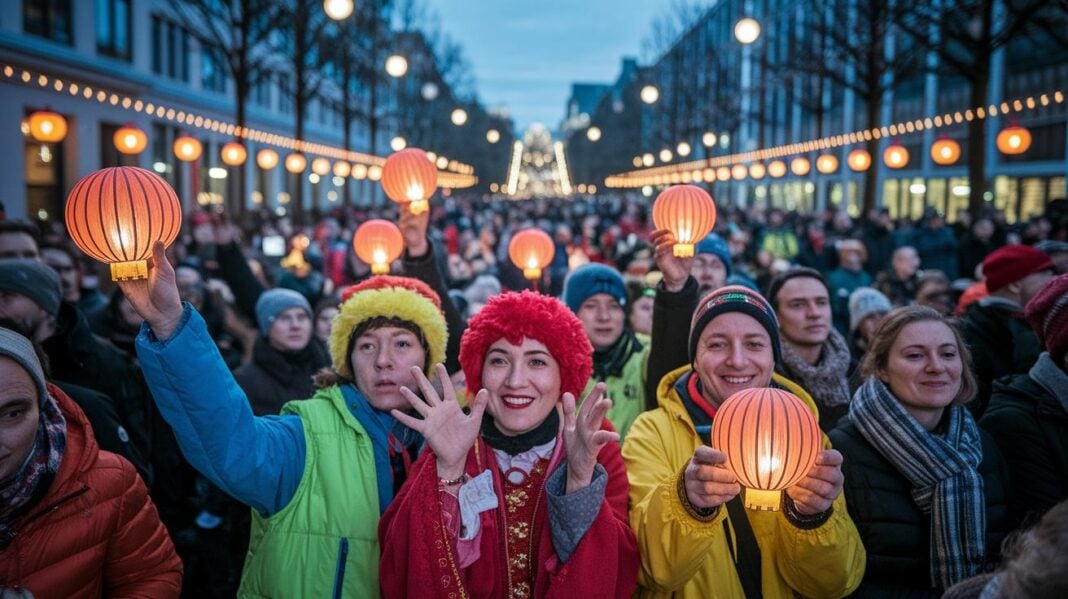
Have you ever noticed how simple habits can open the door to a community’s heart? A respectful bow in Asia, or a playful local contest in Europe, shows you a lot about shared values and old traditions.
These actions are more than just routines. They mix respect, local customs, and a bit of fun to create a special recipe that brings people together. Think of it like discovering a hidden gem in every corner of the world.
In this post, we explore the lively ways different cultures connect generations. Each tradition is a lovely snapshot of how people celebrate life everyday, inviting you to join in the experience.
Understanding Cultural Customs and Their Significance
Cultural customs are cherished traditions passed from one generation to the next. They’re like the secret sauce that brings a community together, weaving shared values and everyday actions into a single, vibrant tapestry. For example, taking off your shoes before stepping into a home isn’t just about staying clean, it’s a heartfelt nod to respect and a way to honor longstanding traditions.
Everyday practices often go well beyond routine; they’re little rituals that remind us of who we are. Think about proper table manners or the brief silence observed in many countries at a special time, it all echoes community respect and a sense of togetherness. Even simple gestures like a respectful bow or a gentle kiss on the cheek offer a peek into a culture’s history and values.
Traveling around the world reveals an exciting mosaic of customs. In China, brides wear red to invite luck, a striking departure from the white wedding gowns common in the West. Over in the United Kingdom, a cheese-rolling contest, featuring wheels of cheese careening downhill, showcases the playful side of tradition. When you take the time to understand cultural customs, you open up a world where every practice is a story, connecting people across continents and generations.
Historical Roots of Cultural Customs
Our early ancestors created traditions to bring people together and help them survive tough times. In the beginning, these customs were practical fixes for everyday challenges. Over time, they blossomed into cherished rituals that knit communities together, imagine it like mixing simple ingredients in a recipe to create a unique taste that feels just right.
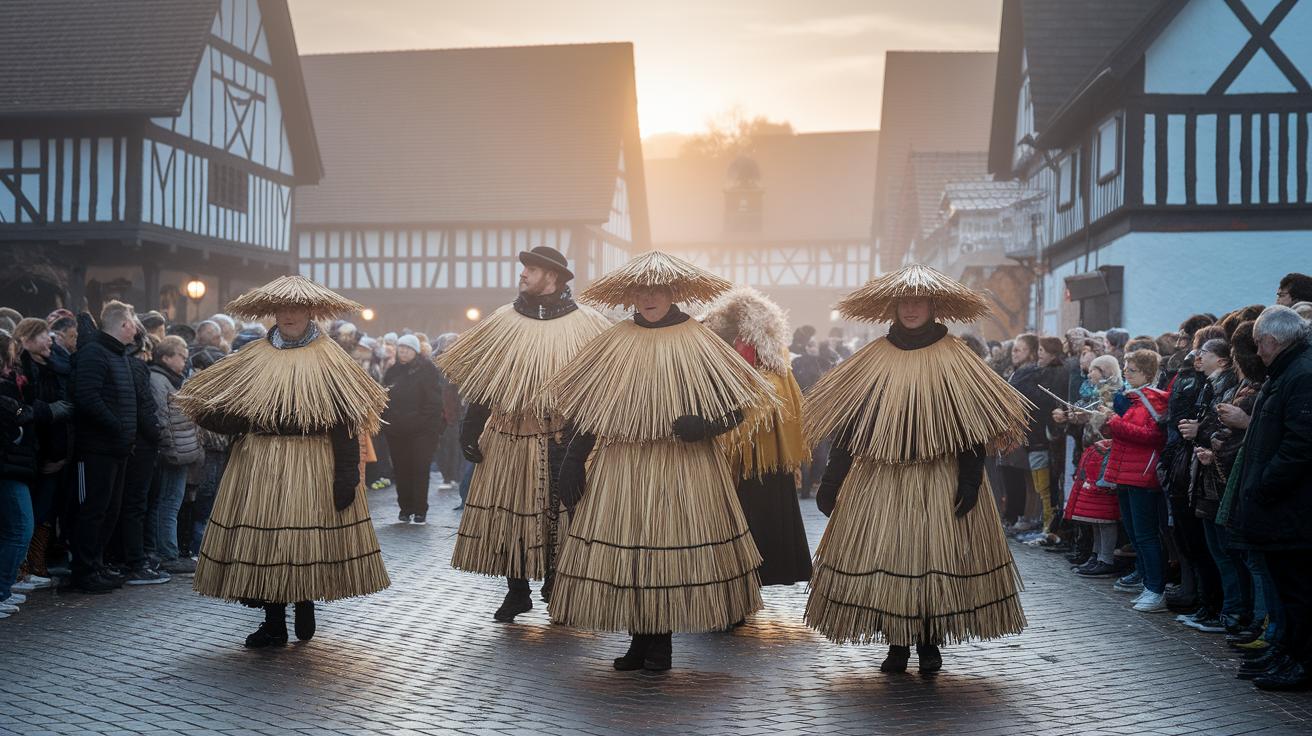
Take England’s Straw Bear Festival, for example. For more than 200 years, locals have celebrated by donning straw-covered costumes. This lively display not only entertains but also echoes age-old celebration practices. And then there's Italy’s Carnevale di Ivrea, where residents hurl oranges in a spirited tribute to a historic 12th-century revolt. Imagine a whole community coming together to remember a fierce past through something as playful as an orange toss!
It’s fascinating how centuries-old customs can hide stories of survival and even rebellion. Yet, not all traditions escape modern debates. Some practices, like female genital cutting in parts of Africa and Asia, continue to spark controversy today. These tough discussions remind us of the delicate act of preserving cultural heritage while also rethinking old practices in a modern world.
Regional Variations in Cultural Customs
Traveling around the world, you'll notice that customs and greetings change from place to place. These unique ways of connecting arise from a mix of history, religion, and the natural surroundings. Think about how a gentle kiss on the cheek in parts of Europe or a respectful bow in Asia tells a deeper story. It's more than just a hello, it shows community values and tradition. If you're curious about even more local customs, check out the link on cultural traditions.
| Region | Signature Custom |
|---|---|
| Europe | Friendly greetings like light kisses, plus unique dining habits such as keeping your hands above the table during meals |
| Asia | Respectful bowing in Japan and leaving a little food on your plate in China to show you’re satisfied |
| North America | Big, festive feasts and public celebrations like Thanksgiving and Independence Day |
| South America | Warm handshakes and social gatherings, often around lively barbecues and community parties |
| Middle East | Conservative dress paired with thoughtful gift-giving that honors cultural traditions |
| Africa | Vibrant market scenes, traditional dances, and festive celebrations that highlight local heritage |
These varied customs create a stunning mosaic of global traditions. They help people bond within their communities and show us how culture connects us all. Every custom, whether part of a grand ceremony or a simple greeting, adds to the rich story of our world. And when you explore these traditions, you not only learn about customs but also feel the spirit of adventure in every handshake and bow.
Ritual Practices and Traditional Ceremonies
Imagine rituals as the threads that tie communities to their past and values. They let us cherish memories, celebrate nature’s shifts, and mark life’s big milestones. These events turn simple moments into deeply shared experiences.
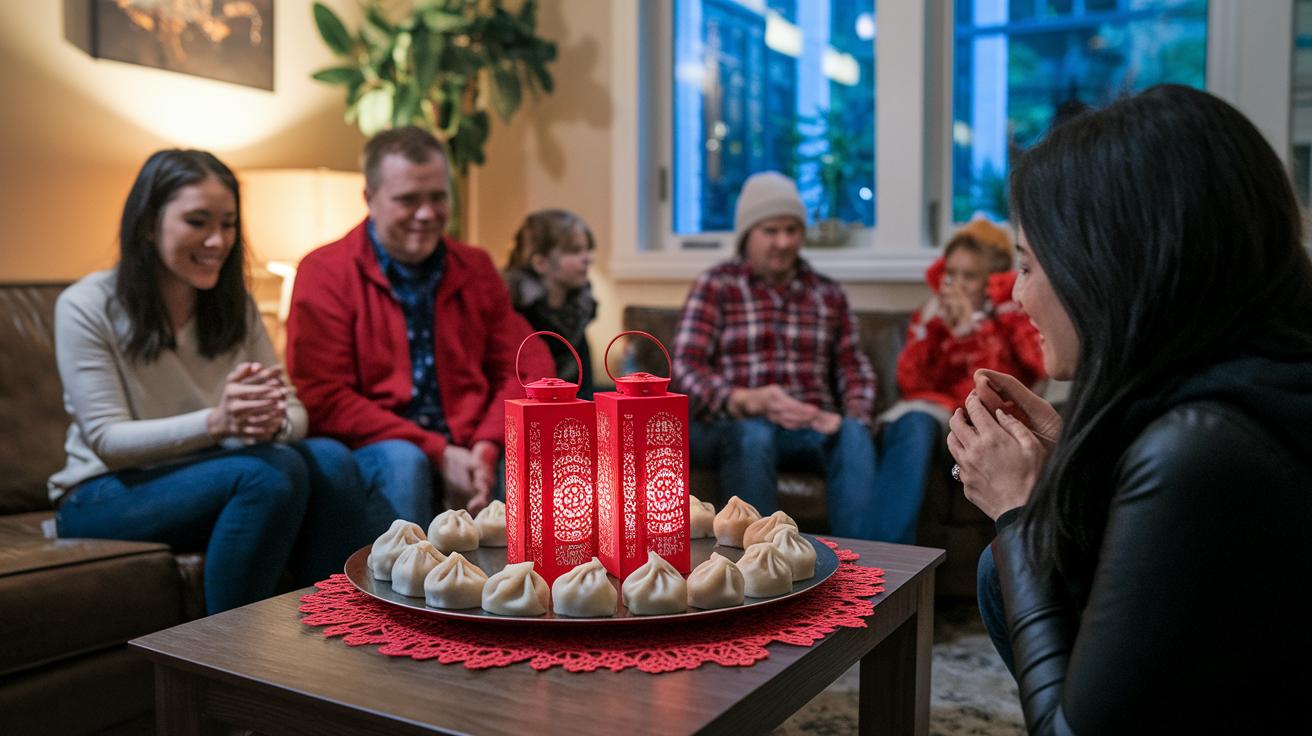
Take Chinese New Year, for example. Celebrated from late January to mid-February, it’s a time for family reunions and joyful gatherings. Homes sparkle with red envelopes and traditional décor, and tables burst with delicious dumplings and rice cakes. This celebration is all about renewal and togetherness, an invitation for families to begin a new year full of hope.
Then there’s Mexico’s Day of the Dead on November 1st and 2nd. It’s a vibrant celebration that transforms remembrance into a burst of color and life. Altars lined with marigolds glow with candles and favorite treats, beautifully honoring loved ones who have passed on. It’s a heartfelt reminder of heritage, turning grief into a communal celebration of life.
Over in India, Holi, the festival of colors, welcomes spring with an explosion of joy. People playfully toss vibrant powders and splash water, symbolizing the shedding of past hurts and the start of fresh beginnings. The air fills with optimism and the promise of new adventures shared by everyone.
In Japan, the Obon Festival offers a more serene tribute. Lantern-lighting ceremonies gently guide ancestral spirits back to the world of the living. Families quietly gather to reflect, ensuring that the memories of those who came before remain interwoven with daily life. This tender tradition deepens bonds across generations and keeps ancient customs beautifully alive.
Social Etiquette in Intercultural Settings
When you travel, a friendly greeting goes a long way. Every culture has its own way of saying hello, and picking up on local signs, like a respectful smile or gentle nod, can really warm up your encounters. Tip: Watch how locals greet one another; something as simple as a nod with warm eye contact can nicely bridge cultural divides.
Eating with others is more than just enjoying a meal, it’s a glimpse into a community’s heart. Notice how conversation flows and how people share food, as these moments are key to understanding local values. Tip: If you're in doubt, a simple question like, "How do we enjoy this meal here?" can lead to a friendly explanation from those around you.
In public spaces, everyday actions show strong local customs. By observing how people naturally act in these spots, you can adjust your behavior to fit in more smoothly. Tip: Take a moment to notice the rhythm of local life; matching their pace can make your interactions feel more comfortable.
Even gift-giving holds special meaning in different cultures. A little research can help you know which tokens are seen as kind gestures and which might miss the mark. Tip: Chat with a local about gift ideas, a short conversation might reveal that certain presents are especially appreciated.
Preserving and Evolving Cultural Customs
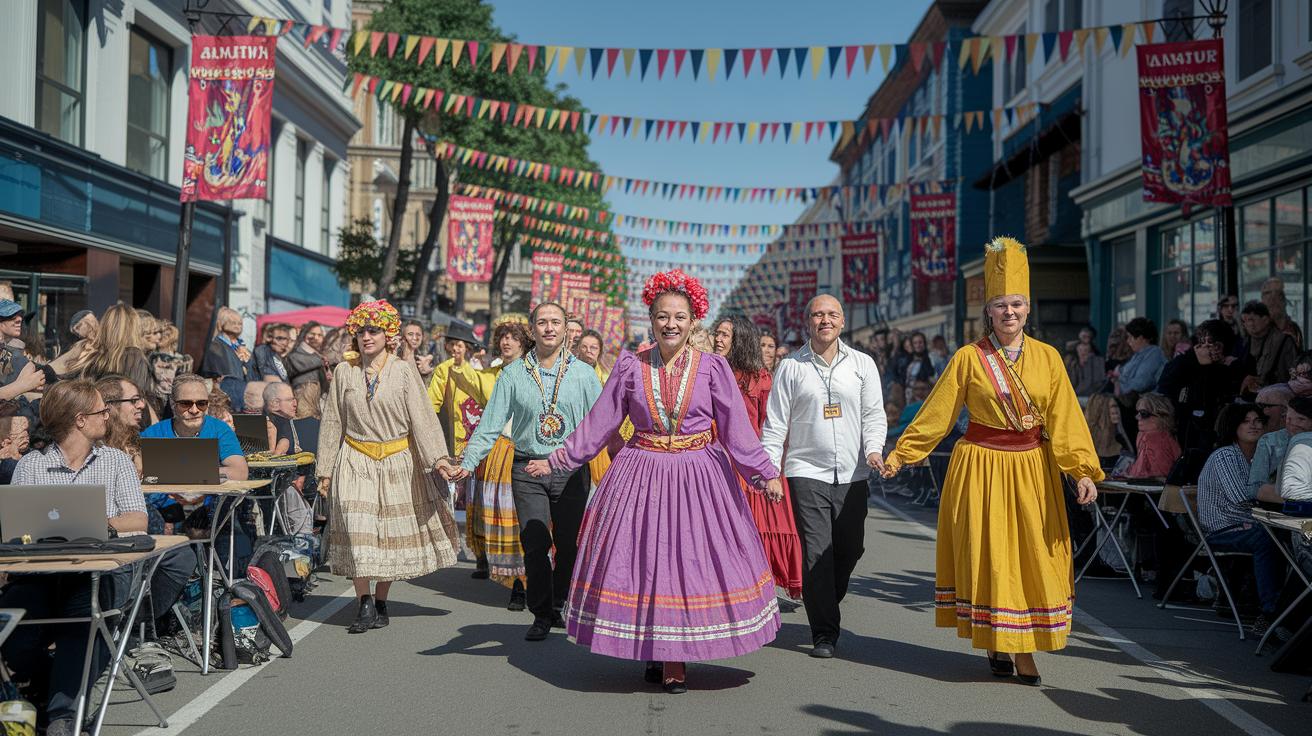
Globalization touches every corner of our world, turning long-held traditions into lively, evolving stories. When different cultures mix, cherished customs, like local festivals, family recipes, and heartfelt greetings, change in unexpected ways. Sometimes these traditions merge, sometimes they soften away, but often, they rediscover a new sparkle of life, staying true to their origins.
Today, you can see communities bringing back ancient dances and timeless rituals that were once fading into history. People are coming together to revive these practices, even as native speakers help by offering translation services since 2010, so that these stories and songs remain vibrant for new generations. Imagine hearing a centuries-old tale told in a language that feels both familiar and new, that’s the magic of preserving our heritage.
Digital media and exchange programs add an extra layer of excitement to this cultural evolution. Social networks and video-sharing sites now let us see art and tradition morph into something fresh and imaginative. Creatives from all corners join forces, sharing projects that blend the old with the new, sparking innovative traditions along the way. In this grand mix of preservation and change, our customs continue to beat at the heart of our communities, reminding us of our history while inspiring our future.
Final Words
In the action of exploring cultural customs and social traditions, this piece offered clear insights into daily practices and ancient rituals that shape our world.
It summarized historical roots, highlighted regional customs, and shared practical social etiquette tips to help with stress-free planning.
The guide also touched on how timeless customs evolve over time, paving the way for memorable travel moments.
Get ready to embrace each new experience with enthusiasm and wonder.
FAQ
What are cultural customs?
The definition of cultural customs centers on shared behaviors, practices, and traditions passed down through generations that shape community identity and promote mutual respect among their members.
What are examples of cultural customs in America and worldwide?
The customs in America involve polite greetings and family-focused celebrations, while global examples range from removing shoes before entering homes to unique wedding rituals that highlight each region’s distinct values.
What are five examples of cultural practices?
Five examples include removing shoes at home, traditional greeting rituals, distinct ceremonial attire at weddings, festive celebrations like color festivals, and customary dining manners that reflect community values.
What are some unusual or fascinating customs from around the world?
Unusual customs include cheese-rolling contests in England and orange-throwing events in Italy. Such practices reveal the creative and rich historical spirit that different communities lovingly maintain.
How do customs and traditions vary across different cultures?
Cultural customs differ by region based on history, climate, and social values. For example, wedding attire and greeting styles vary, reflecting distinctive local traditions and approaches to respect and celebration.
Why should we understand cultural customs?
Understanding cultural customs helps us appreciate the unique behaviors and long-standing practices that shape communities, enriching travel experiences and fostering respect by revealing the values embedded in each practice.