

Ever wonder why your favorite holiday feels so special? Let’s take a little journey into the heart of time-honored traditions and see how they connect us to our past.
Picture those age-old customs weaving memories and values through generations, much like a well-traveled path that links us to history and shared laughter. They remind us of where we came from and add a personal sparkle to our celebrations.
And now, modern twists blend with these cherished rituals, lighting up our festivities like the warm glow of a setting sun. Have you ever felt that magic when traditions meet new ideas?
Join me as we explore how these timeless practices continue to shape our daily lives, keeping the spirit of celebration alive no matter where our journey takes us.
Understanding Cultural Traditions: Origins, Significance, and Modern Relevance
Cultural traditions are like timeless rituals and festive customs passed down from one generation to the next. They not only mark life’s milestones, seasonal changes, and community gatherings but also tie us to our history and shared roots. Each tradition feels like an open door transporting us back to the stories and memories of those who came before us.
These practices form a bridge between our past and present, giving communities a chance to celebrate and reflect. Picture a family reuniting for Chinese New Year over delicious meals, or vibrant Day of the Dead altars in Mexico where memories are honored with heartfelt offerings. And then there’s the joyous burst of colors at India’s Holi festival, a true festival of renewal and hope. Each of these moments invites us to feel gratitude, celebrate life’s cycles, and remember the beauty of our heritage.
Modern life might seem fast-paced, yet it has breathed new life into these age-old customs. Today, traditional celebrations like Chinese New Year blend cherished culinary rituals with contemporary social gatherings, both in-person and online. In Mexico, local communities gather around beautifully decorated altars during Day of the Dead, merging art with remembrance, while Holi remains a joyful escape where color and energy help shake off everyday stress. Even as our world changes, these traditions adapt, preserving the spirit of the past while adding fresh layers to our cultural landscape.
Global Cultural Traditions: A Panorama of Celebratory Rituals
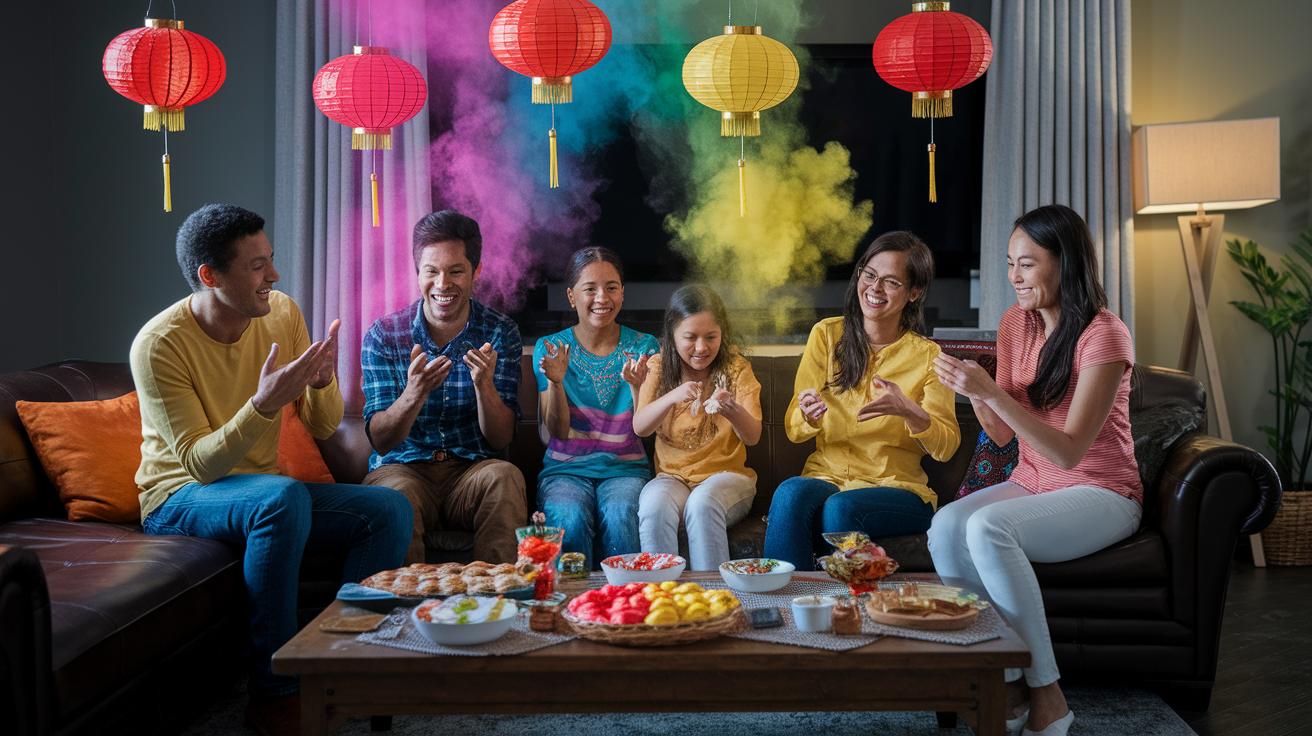
Cultural traditions mix age-old customs with local flavors and even today’s trends. Think of Chinese New Year, it’s still a joyful nod to lunar calendar practices. Then there’s Thanksgiving, which started as a modest harvest meal and has become a heartfelt day of thanks across the nation.
| Tradition | Country | Date/Month |
|---|---|---|
| Chinese New Year | China | Late Jan–Mid Feb |
| Day of the Dead | Mexico | Nov 1–2 |
| Holi | India | March |
| La Tomatina | Spain | Last Wed of Aug |
| Carnival | Brazil | Feb–March |
| Thanksgiving | USA | 4th Thu Nov |
History and local traditions add exciting layers to these celebrations. The Day of the Dead, for example, has native roots that have blossomed into a lively public tribute, while Brazil’s Carnival bursts with local tastes in food, costumes, and music. It’s a reminder that shared customs and treasured memories continue to bring communities together across time and space.
Traditional Rituals and Ethnic Celebrations in Community Life
In Myanmar, the Shinbyu novitiation ceremony is a heartfelt moment when young boys step into the world of Theravada Buddhism. This special rite features bright red and gold gates and the steady beat of drums that echo like a welcoming call. Imagine these boys, dressed in traditional clothes, walking through stunning gates as the drum sounds inspire everyone present.
Every day in Bali, locals set up colorful canang sari offerings on temple altars. They arrange palm-frond baskets filled with fresh flowers, incense, and food scraps in a thoughtful act of thanks to the divine. And over in Northern Thailand, the Yi Peng festival lights up the night with paper lanterns (khom loi) released under a full moon, each one carrying a wish for new beginnings. Picture hundreds of glowing lanterns floating upward, like little dreams soaring into the night.
In Ethiopia, Timkat is celebrated every January as a lively tribute to the Epiphany. This day features vibrant processions and detailed replicas of the Ark of the Covenant. Communities come together, wearing colorful garments, to relive historic moments with true passion. Imagine joining a procession where every step tells a story of shared heritage and deep community spirit.
Regional Ceremonies and Festive Customs: Europe, Americas, and Asia
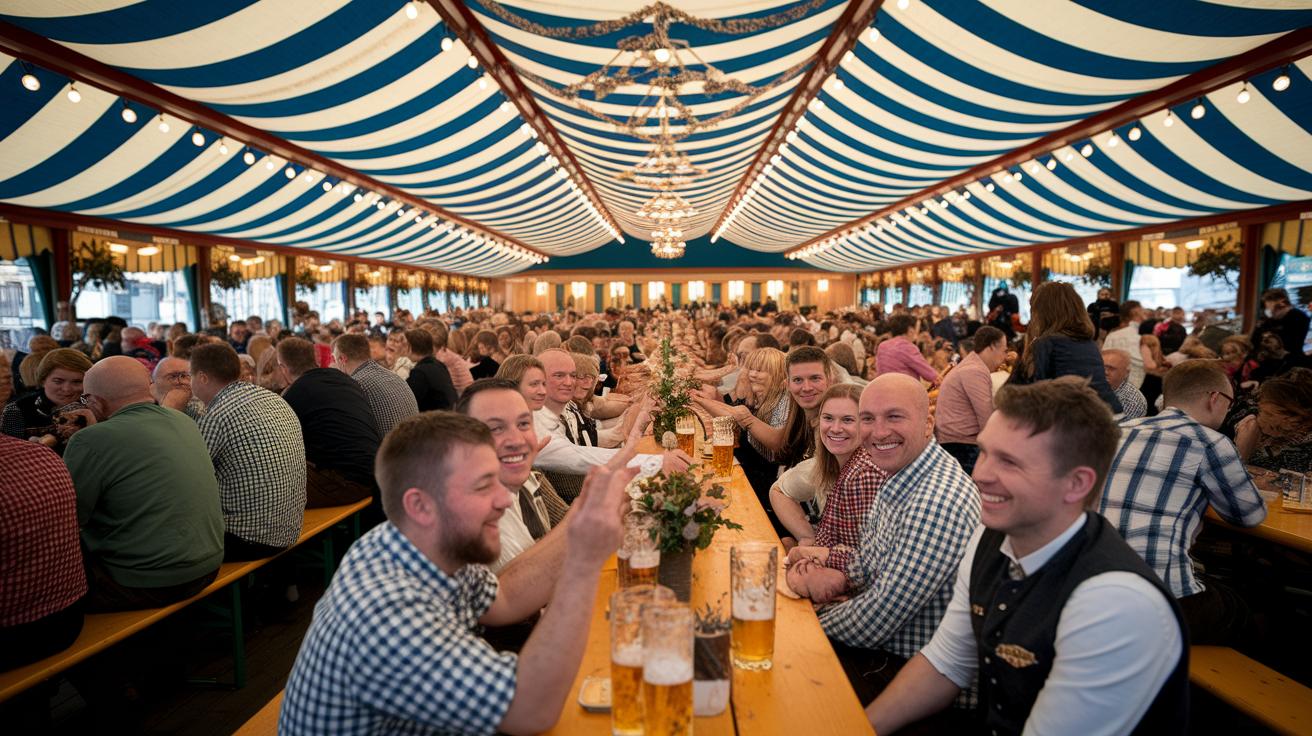
In Europe, every celebration feels like a journey into the heart of local life. In Germany, Oktoberfest runs almost three weeks starting in late September. Picture lively beer tents, warm laughter, and a table full of hearty foods, it’s a time when everyone joins in for spirited toasts and joyful feasts. Over in Czechia, the Masopust carnival before Lent lights up the streets with colorful parades and playful performances that bring out the child in every visitor. And then there’s Denmark’s Sankt Hans on June 23, where blazing bonfires invite neighbors to gather for an evening full of smiles and community cheer.
Heading over to the Americas, festive customs burst with rich local flavors and historical tales. In Brazil, Carnival turns February and March into a dazzling display of samba parades and street parties. The rhythmic beats and bright costumes transform bustling city streets into a carnival of life. Across the United States, there’s Kwanzaa, from December 26 to January 1, when communities honor African heritage with passionate storytelling and beautiful art. Meanwhile, in Mexico, the Day of the Dead on November 1 and 2 transforms cemeteries into heartfelt memorials, where families craft intricate altars decorated with marigolds to lovingly remember those who have passed on.
Over in Asia, traditions blend quiet reflection with exuberant celebrations. In Japan, the mid-August Obon festival is a gentle lantern event where communities come together under soft, glowing lights to honor their ancestors. Then in Thailand, the Songkran water festival in April turns city streets into playful splash zones, marking the season of renewal with fun water fights and contagious laughter. In Vietnam, Tet Lunar New Year brings a perfect mix of sacred rituals and festive feasts, inviting everyone to welcome a new calendar year with a spirit that’s as old as time and as fresh as a morning breeze.
Cultural Traditions in Contemporary Society: Evolution, Preservation, and Impact
Today, age-old customs are getting a fresh twist for our fast-paced world. Think about Christmas, it's not just about family meals and traditions anymore. Now, you also see festive decorations and clever marketing that catch the eye of both local communities and travelers from around the globe. Easter egg hunts mix the fun of finding hidden treasures with meaningful religious practices, and Eid al-Fitr brings people together for lively, shared feasts. Even in India, the nine-night Navratri dance celebrations are attracting visitors far and wide, blending ancient rituals with a burst of modern excitement that boosts cultural tourism.
Heritage preservation is now something we all care about. Thanks to innovative digital tools and support from UNESCO, communities are using online platforms to document and share their cherished traditions. This keeps these rituals alive and meaningful for everyone. Local heritage organizations are mixing classic customs with modern storytelling, creating programs that bridge the gap between the old and the new. In doing so, they help connect today's communities to their roots, encouraging pride in their cultural heritage and inspiring future generations to carry these traditions forward.
Final Words
In the action, we dove into the rich layers of cultural traditions, tracing their origins, meanings, and modern twists. We unpacked definitions, witnessed global festive customs, and enjoyed lively community rites that spark a deeper respect for these practices. Each segment brought forward clear insights and helpful examples that ease travel planning and boost local exploration. This discussion leaves us energized to experience every cultural tradition with fresh eyes and open hearts.
FAQ
What are cultural traditions?
The term cultural traditions refers to the inherited rituals, customs, and celebrations passed from one generation to the next that shape social identity and express shared values.
What are some examples of cultural traditions?
The query on examples of cultural traditions includes practices like Chinese New Year, the Day of the Dead, Holi, and Thanksgiving, each showcasing distinctive rituals and communal participation rooted in history.
What are cultural traditions synonyms?
The phrase cultural traditions synonyms covers terms like customs, societal practices, and communal ceremonies, all highlighting time-honored ways that groups mark significant events and maintain social cohesion.
How do different cultural traditions manifest around the world?
The point on different cultural traditions shows that communities from various regions celebrate through unique practices, such as India’s Holi, Mexico’s Day of the Dead, and Europe’s seasonal festivals, each carrying special meanings.
What does cultural traditions CK3 refer to?
The mention of cultural traditions CK3 typically pertains to the portrayal of historical practices in the game Crusader Kings III, where players experience simulated customs that reflect past societal celebrations.
What are examples of traditional cultural practices?
The inquiry into traditional cultural practices brings forward festive rituals, ceremonial events, and community gatherings that preserve heritage and mark seasonal cycles, offering insight into the values of different societies.


