
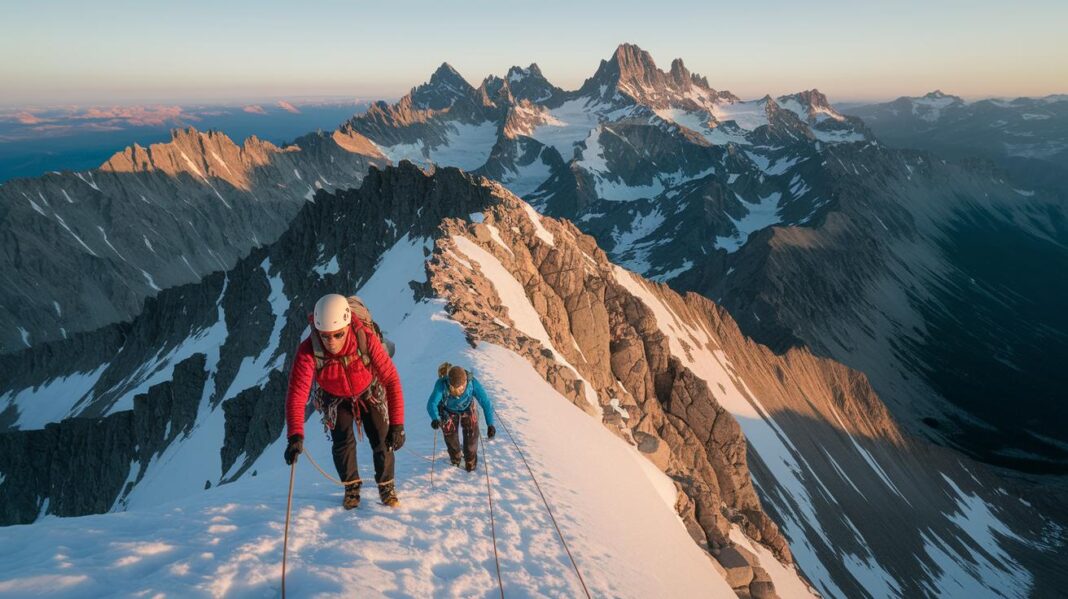
Ever wondered what it feels like to catch a breath when the air is nearly gone? In the Everest Death Zone, even a simple gulp feels like a race against time and nature.
Here, your body only gets about a third of the normal oxygen, so every second really counts. This story dives into high-altitude adventures and explains the real risks climbers face in these extreme conditions.
Imagine how quickly a small mistake in such thin air can turn a climb into a tough test of strength.
Defining the Everest Death Zone and Its Core Threats
Imagine stepping into a realm above 8,000 meters (around 26,000 feet) where the air feels almost ghostly, offering only a third of the oxygen you’d find at sea level. In this eerie zone, your body has to hustle just to breathe comfortably, and without extra help, even the toughest adventurers can find survival hanging by a thread.
Every moment in the Death Zone counts. Experts suggest keeping your time here to a strict 16 to 20 hours so that the body isn’t pushed too far into oxygen starvation. As oxygen fades, your strength and clarity slowly slip away, it’s like watching a well-planned journey turn into a race against time.
This unforgiving environment brings five major perils into focus. First, hypoxia makes both your mind and muscles feel fuzzy and slow, as if you’re wading through thick fog. Then there’s frostbite, where biting cold turns your exposed skin numb and lifeless. Add to that the risks of high-altitude cerebral edema (HACE) and pulmonary edema (HAPE), dangerous conditions that cause swelling in your brain and lungs, setting the stage for severe, life-threatening complications. And don’t forget snow blindness, a less talked-about hazard that can rob you of your sight right at the peak of danger.
Every breath in this extreme world is a reminder of nature’s raw power, transforming even a short stay into an intense test of will and endurance.
Physiological Breakdown at Extreme Altitudes in the Death Zone
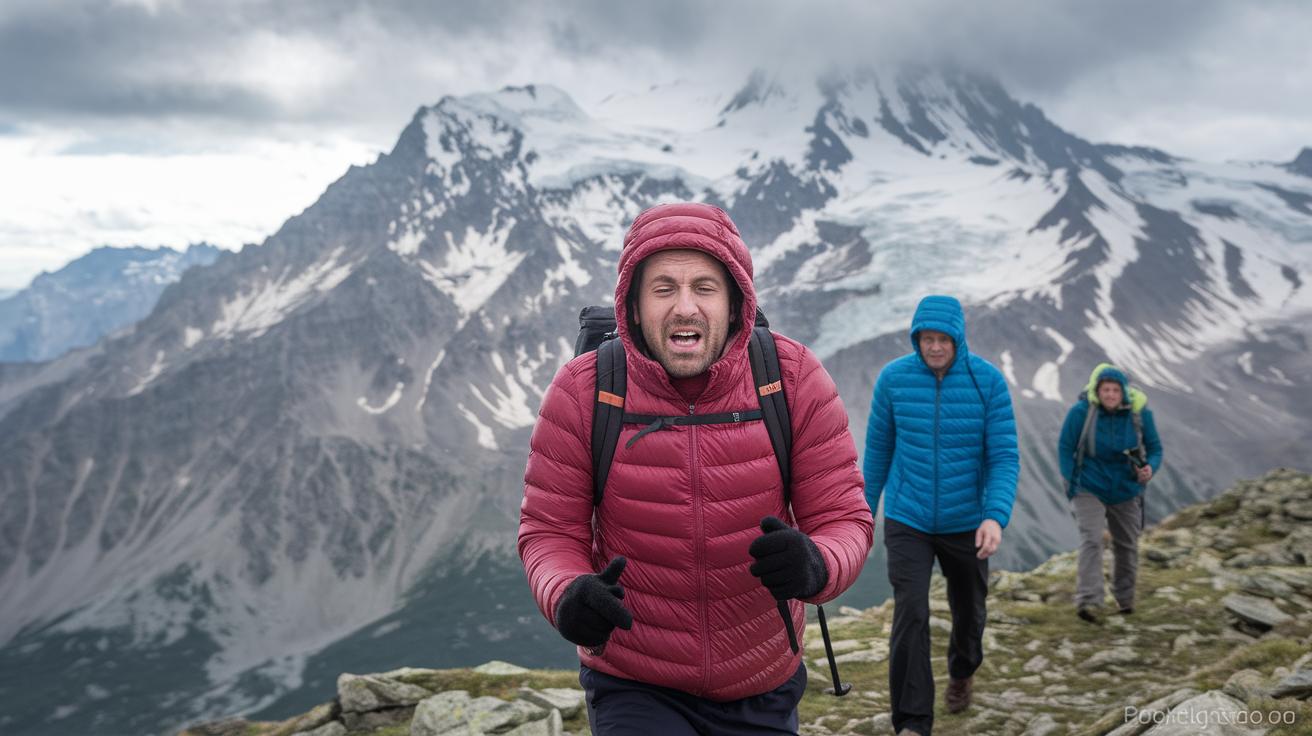
When you push into these dizzying heights, your body really feels it. The air is so thin that oxygen barely makes it through, leaving your system fighting to keep up. Your blood-oxygen level can drop below 85%, and once it hits under 55%, things can go downhill fast. Your heart races, working overtime to push thicker blood around, and that extra load could spark irregular beats or even heart failure.
Neurological Impairments
Imagine your mind wrapped in a thick fog, dizziness, confusion, and memory slips become all too common when oxygen is scarce. Even everyday tasks can feel like trying to solve a puzzle while blindfolded. It’s as if the brain’s usual clarity is lost in the mist, making it hard to react quickly or keep track of thoughts.
Cardiovascular Strain
Your heart doesn’t get a break either. It pumps thick, oxygen-poor blood, causing it to beat faster and sometimes even skip a beat. Picture running a marathon with a heavy weight on your shoulders, each heartbeat feels more labored, and chest pain might add to the challenge. The extra strain could eventually lead to uneven heart rhythms.
Cellular and Organ Damage
Over time, the prolonged battle with low oxygen starts to take its toll on your cells. Important organs slowly lose their strength as they try to keep up with the body's desperate attempts to adapt by producing extra red blood cells. This extra production, however, only makes the heart work harder, setting the stage for potential organ failure down the line.
Together, these effects create a dramatic tale of survival, where the body becomes locked in a constant struggle against the relentless, thin air at extreme altitudes.
Everest Death Zone: Amazing High-Altitude Insights
Out there, the cold is a true enemy. With temperatures dipping between -20 °C and -30 °C and wind chills dropping to around -49 °C, even a minute outside without proper gear can make your skin freeze in seconds. Imagine stepping out and feeling your fingertips almost turn to ice instantly. In these conditions, climbers have to move fast and stay in constant motion to fend off frostbite and numbness.
But it’s not just the biting cold that poses a threat. Fierce, unexpected winds, known as katabatic winds (that is, winds rushing down from the mountain), can peak at 160 km/h and suddenly hit you. One moment the weather seems calm, and the next, a blizzard or a quick Himalayan squall blankets the area in swirling white, cutting your view nearly completely. In a flash, familiar conditions turn into a harsh storm that chills you to the bone and clouds your mind. This means climbers must always be on guard, checking their gear and looking for safe shelter.
The very ground underfoot doesn’t make things any easier either. Even the most experienced climbers can face hidden dangers like unstable ice towers, called seracs, unseen crevasses, and narrow ridges prone to avalanches. Each step on these icy paths is like a risky bet, one small misstep might set off a dangerous slide of snow and ice, making the struggle in the Death Zone even tougher.
Fatality Trends and Mortality Data in the Everest Death Zone
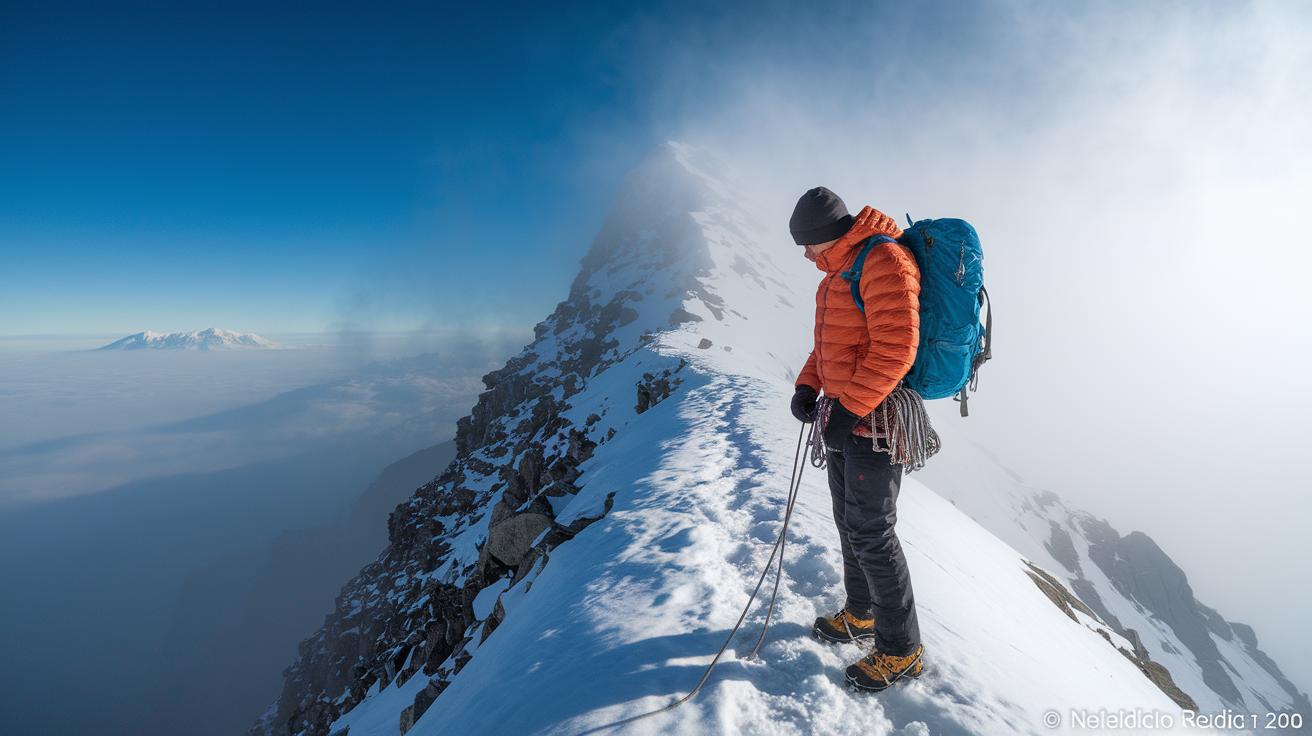
More than 340 brave climbers have lost their lives on Everest since 1921. This works out to roughly 1% of all summit attempts ending in tragedy. Every year, around 5 to 10 adventurers never make it, with many losing their lives during the descent from Camp 4 (about 8,000 meters above sea level).
At such great heights, the air runs thin and your body can start to shut down without enough oxygen, a condition sometimes called hypoxic collapse. Even the most experienced climbers face this deadly challenge, as the summit's harsh conditions leave little room for error.
Over 200 bodies still rest on the mountain. Their presence is a somber reminder of Everest’s unforgiving nature and the tough decisions climbers and rescuers face. These hard facts help shape modern safety plans and risk assessments for those daring enough to tackle the peak.
| Year Range | Total Deaths | Annual Avg |
|---|---|---|
| 1921–1950 | Calculated figures | Varies |
| 1951–2000 | Estimated numbers | Varies |
| 2001–2023 | Recent records | Varies |
Tragic Expeditions: Case Studies from the Death Zone
Real-life stories let us peek into the brutal challenges of climbing above 8,000 meters. Every statistic hides a person, a life filled with dreams and struggles. These intimate accounts show how even the smallest mistake in such extreme conditions can lead to tragic results.
The 1996 Everest Disaster: Chronology and Failures
Back in 1996, a sudden storm hit right when too many climbers were crowding the summit and delaying their descent. This deadly mix cost 12 lives, including well-known guides like Rob Hall and Scott Fischer. One climber recalled, "I remember the skies darkening so suddenly, as if nature had turned its back on us." Their stories remind us how perilously fast things can go wrong when human error meets harsh weather.
Sleeping Beauty’s Legacy: Fatal Miscalculations
Francys Arsentiev, who came to be known as "Sleeping Beauty," lost her life without the support of extra oxygen. Even today, her body in Rainbow Valley serves as a silent warning about the dangerous consequences of underestimating high-altitude challenges. One witness reflected, "Her quiet repose against the icy backdrop speaks a silent story of missteps and nature’s unforgiving demands." Her tragic tale, shared by a small circle of climbers who attempted similar feats without proper oxygen, continues to stress the importance of having the right gear and careful planning.
Record Survival Hours: Extraordinary Endurance and Aftermath
There are rare instances where climbers have survived for up to 90 hours with oxygen support in these extreme conditions. Yet, this heroic endurance comes at a high cost, often leaving lasting damage to the body and mind. One climber remarked, "The human body can fight on, but every extra hour in that void leaves scars you never truly forget." Such experiences show both the strength of human determination and the heavy price of testing our limits.
These heartfelt stories honor those who faced such peril and guide today's practices to make high-altitude adventures safer.
Preparation and Acclimatization for Surviving the Everest Death Zone
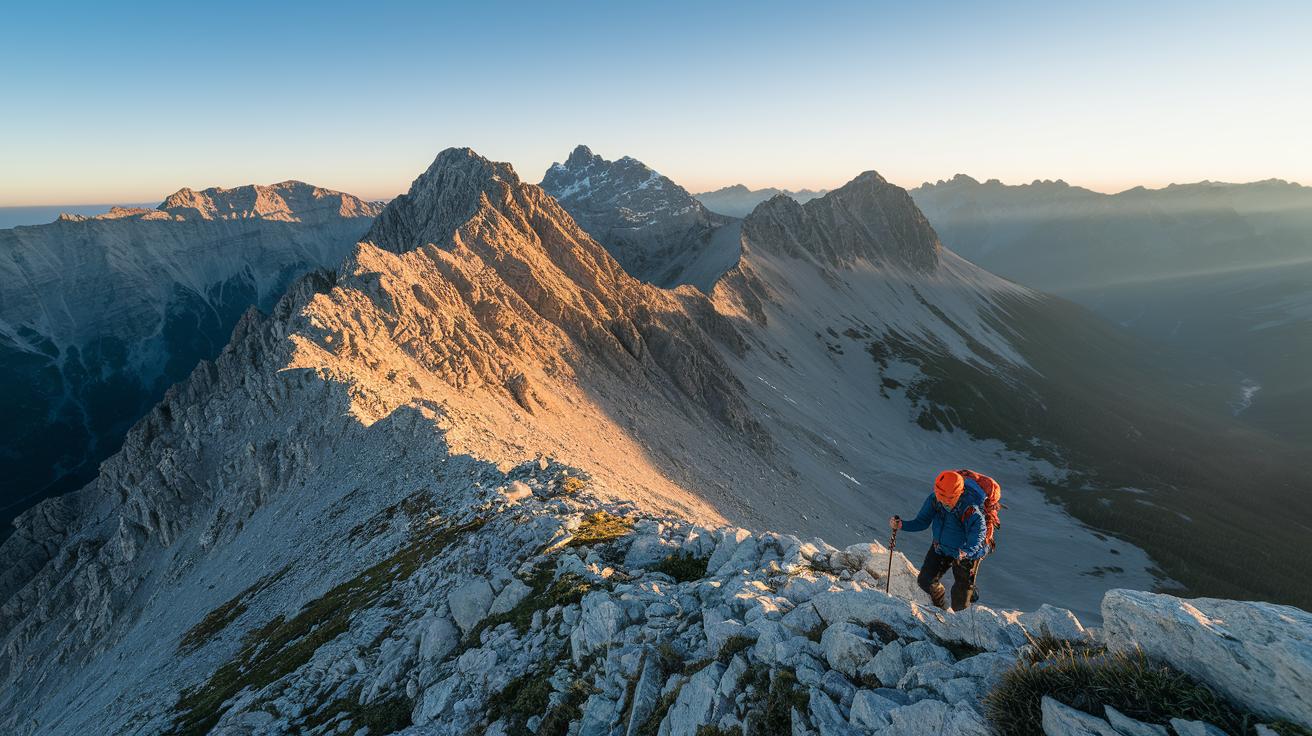
When you set out on an Everest adventure, starting with a clear plan is key. Most climbers spend about 6–8 weeks on the mountain, beginning at Base Camp (5,364 m) and moving through Camp 1, Camp 2, and Camp 3 before making that final push for the summit. Each stage offers a chance to slowly get used to the thinner air and tougher climbing conditions.
Taking time to acclimatize is crucial. When you spend dedicated time at each camp, your body makes more red blood cells, helping you avoid altitude sickness like HACE (high-altitude cerebral edema) and HAPE (high-altitude pulmonary edema). This gradual process lets your body adjust, so you’re better prepared when the air gets really thin.
Keeping an eye on your oxygen and checking your gear regularly is also very important. Even Sherpas use extra oxygen above 8,000 m, and making sure your equipment works perfectly is a lot like checking your car before a long road trip, every bit counts.
Lastly, don’t skip on mental preparation. Visualize yourself moving confidently from one camp to the next while managing stress, like picturing a smooth, exciting journey. This mental boost can be a true secret weapon when you’re facing the extreme conditions of the Death Zone.
Final Words
In the action, we witnessed how extreme altitudes, crippling oxygen shortages, and unforgiving weather converge in the everest death zone. The post painted a stark picture of high-altitude threats, from physical collapse to harsh environmental surprises, each underscoring the real risks climbers face above 8,000 meters.
We wrapped up with essential planning tips, acclimatization methods, and survival tactics for those seeking stress-free, memorable climbs. Every bit of guidance inspires a safer path forward for those embracing these remarkable high-altitude challenges.
FAQ
What films or documentaries explore the Everest Death Zone?
Films and documentaries on the Everest Death Zone offer vivid accounts of climbers facing extreme conditions, featuring real footage, expert insights, and firsthand experiences that reveal the challenges and risks of high-altitude climbing.
What is known about the dead bodies and death statistics in the Everest Death Zone?
Discussions about dead bodies in the Death Zone highlight a grim reality where a 1% summit fatality rate is noted and over 200 bodies remain, underscoring the harsh, life-threatening environment.
What discussions about the Everest Death Zone can be found on Reddit?
Reddit conversations on the Everest Death Zone mix firsthand climbing stories with analyses of extreme altitude hazards, offering diverse perspectives on survival strategies and the mountain’s deadly environment.
What information does the Everest Death Zone map provide?
The Everest Death Zone map marks key camps, altitude thresholds, and danger areas, offering climbers a visual guide to plan routes amid limited oxygen and numerous environmental hazards.
What height defines the Everest Death Zone?
The Everest Death Zone starts above 8,000 meters (around 26,000 feet), where oxygen levels drop to about one-third of sea-level conditions, significantly raising risks like hypoxia and frostbite.
How long can you survive in the Death Zone on Everest?
Survival in the Death Zone is critically limited, with experts advising that exposure should not exceed 16–20 hours, as prolonged time there dramatically increases the risks of hypoxia and other deadly effects.
Is the Sleeping Beauty body still on Everest?
The Sleeping Beauty body remains on Everest, preserved by the freezing conditions, standing as a lasting reminder of the mountain’s perilous environment and the extreme risks climbers face.
What is the 2pm rule in Everest?
The 2pm rule advises climbers to start their descent by early afternoon to avoid worsening weather and further oxygen depletion later in the day, which could prove fatal in the Death Zone.
Is Camp 4 located within the Death Zone?
Camp 4 lies within the Death Zone, where diminished oxygen levels impose extreme physical challenges and elevate the risk of life-threatening conditions for climbers.